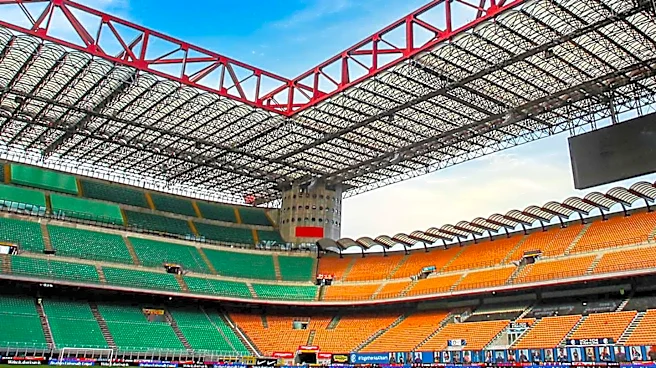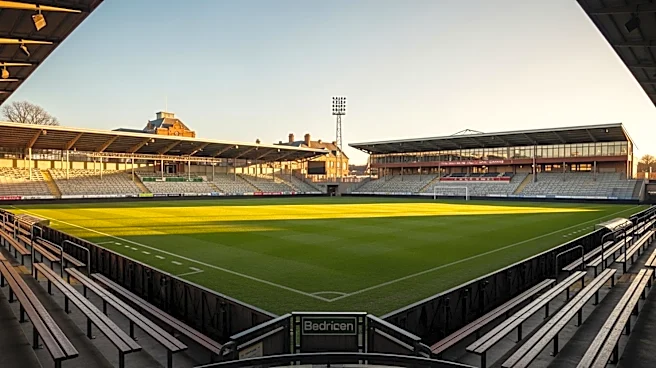




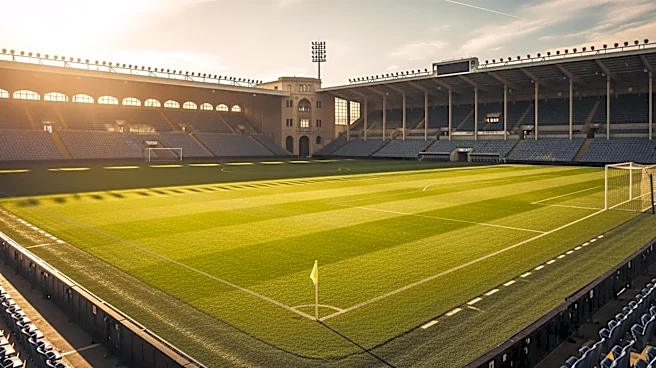

Stadio Diego Armando Maradona, located in Naples, Italy, has a rich history that reflects its evolution from a post-war necessity to a modern sports venue. Originally known as Stadio San Paolo, the stadium has undergone several transformations since its opening in 1959. This article explores the key phases of its development, highlighting the changes that have shaped it into the iconic structure it is today.
Early Beginnings and Construction
The need for a new stadium in Naples arose
after the destruction of Stadio Partenopeo during World War II. The city was left with an undersized venue, prompting the decision to build a new stadium in the rapidly developing suburb of Fuorigrotta. Construction began in 1952, with the project designed to accommodate approximately 90,000 spectators, most of whom would stand. The laying of the first cornerstone was a significant event, attended by then-Prime Minister Alcide De Gasperi.
The construction process was lengthy, taking seven years to complete. The stadium opened on December 6, 1959, as Stadio del Sole, with a memorable match where Napoli defeated Juventus 2-1. This marked the beginning of a new era for football in Naples, providing a venue that could host large crowds and significant events.
Renovations and Modernization
The first major renovation of the stadium occurred in preparation for the 1980 UEFA European Football Championships. This included the installation of modern technology such as an electronic scoreboard and a new floodlight system. A decade later, the stadium underwent further changes for the 1990 FIFA World Cup, transitioning to an all-seater format, which reduced its capacity to about 76,000.
Despite these updates, the stadium faced a period of decline in the following decades. The structure showed signs of aging, with issues like peeling concrete and leaking roofs. Entire sections were closed due to broken seats, and the lack of modern amenities led to poor ratings from FIFA. Financial difficulties and political challenges delayed necessary upgrades, leaving the stadium in a state of disrepair.
Recent Developments and Future Plans
A significant renovation took place between 2018 and 2019, with €20 million invested to modernize the stadium ahead of the XXX Summer Universiade. This included updates to locker rooms, press areas, and lighting, as well as the installation of wider seats and jumbotrons. These improvements reduced the seating capacity to 54,726 but brought the stadium up to contemporary standards.
In 2020, following the death of football legend Diego Maradona, the stadium was renamed in his honor. Looking ahead, plans for further redevelopment have been approved, including reopening the third tier, removing the athletics track, and increasing capacity to 70,000. These changes aim to ensure that Stadio Diego Armando Maradona remains a premier venue for sports and entertainment in Italy.