
Mountaineering is an exhilarating pursuit that offers breathtaking views and a sense of accomplishment. However, it is not without its risks. Climbers face a variety of hazards, both environmental and human-related,
that can make the sport dangerous. This article explores the different risks associated with mountaineering and the measures climbers take to mitigate them.
Environmental Hazards
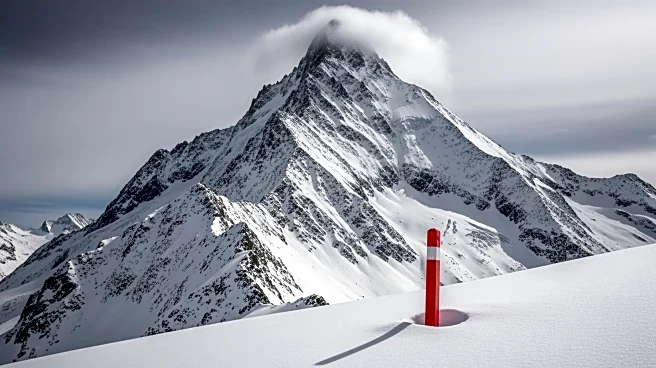
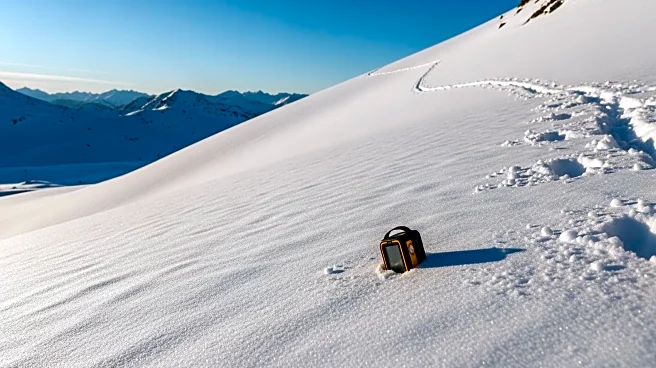
Mountaineers are exposed to a range of environmental hazards that can pose significant risks. These include loose or falling rocks, falling ice, snow avalanches, and crevasses. The unpredictable nature of mountain weather adds another layer of danger, with sudden storms and extreme temperatures posing threats to climbers.
Altitude is another critical factor, as it can lead to altitude sickness, a potentially life-threatening condition. Symptoms include severe headaches, nausea, and fatigue, and if left untreated, can progress to high-altitude cerebral edema (HACE) or high-altitude pulmonary edema (HAPE). The best treatment is immediate descent, but this is not always possible in challenging conditions.
Human Factors and Decision-Making
In addition to environmental hazards, human factors play a significant role in mountaineering risks. Poor judgment, inadequate planning, and lack of skills can lead to accidents. Climbers must be well-prepared, possessing the necessary equipment, stamina, and technical skills to navigate the mountain safely.
Decision-making is crucial in mountaineering, as climbers must constantly assess risks and make informed choices. This includes knowing when to turn back, even if it means abandoning a summit attempt. Experienced climbers emphasize the importance of education, training, and practice to improve decision-making skills and recognize personal biases that may cloud judgment.
Safety Measures and Mitigation
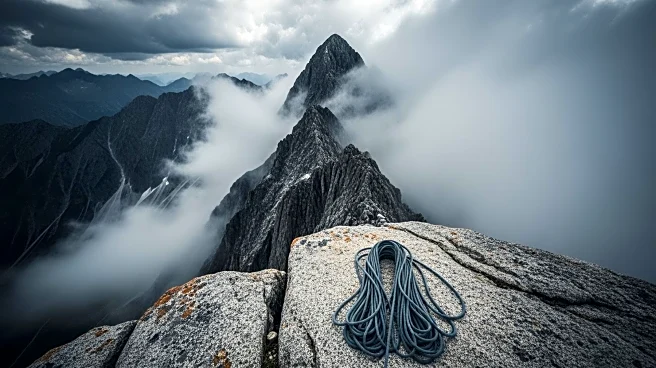
To mitigate risks, climbers employ various safety measures. These include using proper equipment such as helmets, harnesses, and ropes, as well as techniques like roped climbing and snow travel abilities. Climbers often form rope teams to secure themselves and reduce the risk of falls.
Acclimatization is another critical safety measure, allowing climbers to adjust to high altitudes gradually. The motto "climb high, sleep low" is a common practice, where climbers ascend to higher altitudes during the day but return to lower elevations to sleep.
In conclusion, while mountaineering presents numerous risks, climbers can take steps to mitigate them through preparation, training, and sound decision-making. By understanding the hazards and employing safety measures, climbers can enjoy the thrill of the climb while minimizing the dangers involved.