



The term 'whisk' might bring to mind the image of a kitchen utensil used for mixing ingredients, but its applications extend far beyond culinary arts. In the world of dance, a whisk is a graceful step used in ballroom dancing, particularly in the waltz. This article explores the diverse meanings and uses of the term 'whisk,' highlighting its versatility.
Whisk in the Kitchen
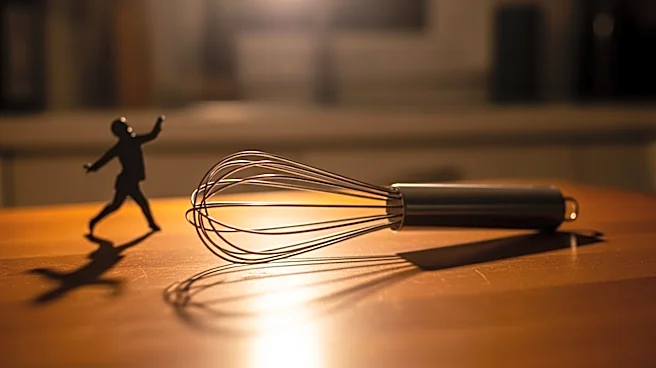
In the culinary world, a whisk is an essential tool for blending ingredients smoothly or incorporating
air into a mixture. Typically, a whisk consists of a long, narrow handle with wire loops at the end. These loops can vary in shape depending on the whisk's intended function. While most whisks are made of metal, some are crafted from plastic or bamboo, catering to different cooking needs.
Whisks are commonly used to whip egg whites into a firm foam for meringues or to whip cream into whipped cream. The process of whisking or whipping is crucial in achieving the desired texture and consistency in various recipes. The design of the whisk, whether it's a balloon whisk or a French whisk, plays a significant role in its effectiveness in the kitchen.
Whisk in Ballroom Dance
In the realm of ballroom dance, the whisk is a step used in the waltz and American style Viennese waltz. It serves as a way to transition into a promenade position, allowing dancers to turn corners or change direction on the dance floor. The basic whisk involves a rise and fall motion, with a sway to the left from the man's perspective.
The whisk in dance is not just about the steps but also about the connection between partners. It requires precise footwork and alignment to execute the step gracefully. Variations of the whisk, such as the back whisk and left whisk, add complexity and allow dancers to showcase their skill and adaptability.
The Cultural Significance of Whisks
The term 'whisk' embodies versatility, bridging the gap between culinary arts and dance. In both contexts, the whisk is a tool for transformation—whether it's transforming ingredients into a smooth mixture or transforming a dance routine into a graceful performance.
Understanding the different uses of the whisk highlights its cultural significance. In the kitchen, it is a symbol of creativity and culinary skill, while on the dance floor, it represents elegance and precision. The whisk, in its various forms, continues to be an integral part of both cooking and dancing, showcasing its enduring relevance and adaptability.