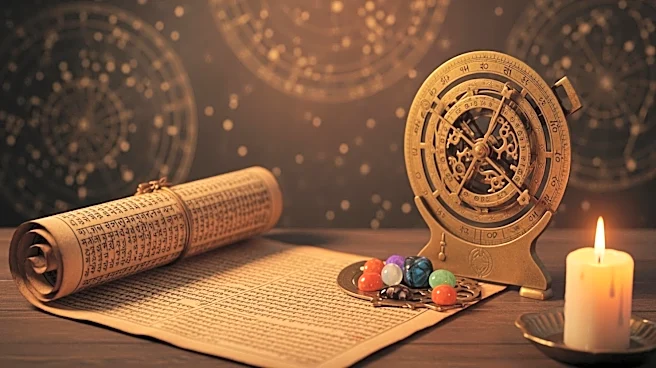

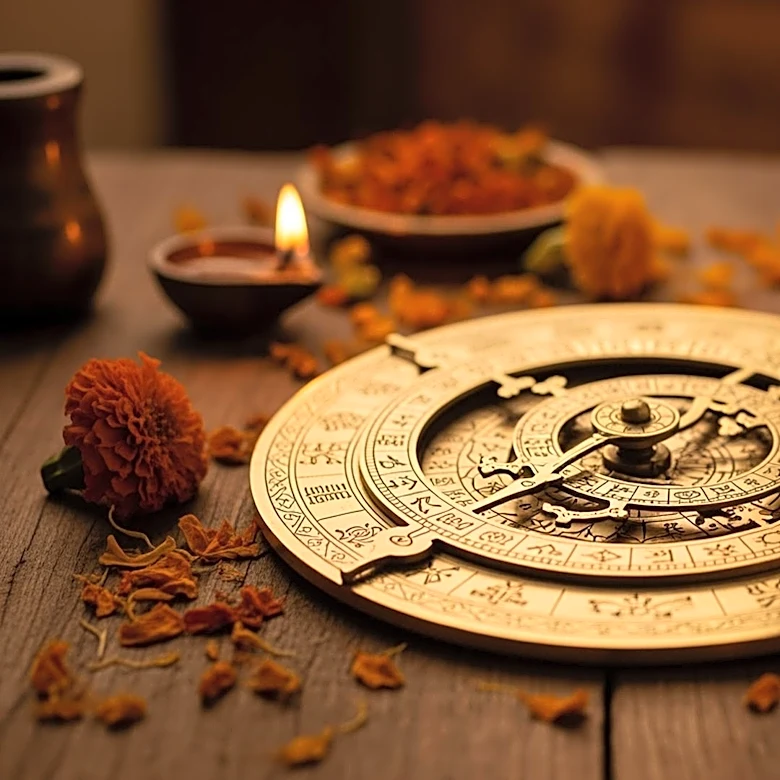



Hindu astrology, also known as Jyotisha, is a traditional system deeply rooted in the cultural and spiritual practices of Hinduism. It is one of the six auxiliary disciplines connected with the study of the Vedas. Over time, Hindu astrology has evolved, influenced by various cultures and scientific advancements. This article delves into the historical journey of Hindu astrology, examining its origins, development, and the debates surrounding its influences.
Early Origins and Development
Hindu astrology traces its origins to the Vedanga Jyotisha, one of the earliest texts about astronomy within the Vedas. This text aimed to keep time, maintain calendars, and predict auspicious times for Vedic rituals. Early Jyotisha was primarily concerned with preparing a calendar to determine dates for sacrificial rituals, with little mention of planets. The Atharvaveda and Chāndogya Upaniṣad mention eclipse-causing demons, such as Rāhu, believed responsible for eclipses and meteors.
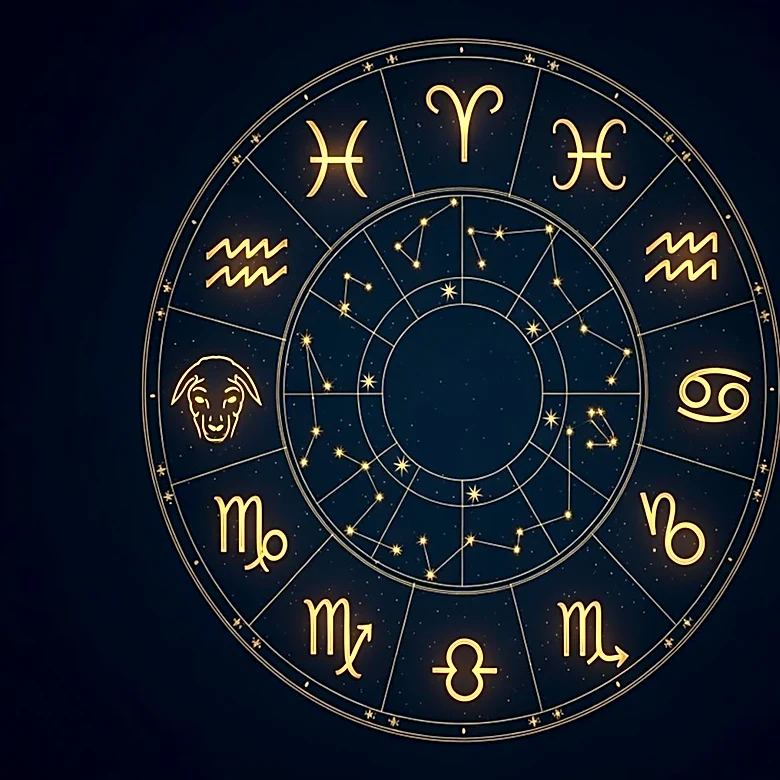
The foundation of Hindu astrology is the notion of bandhu, which connects the microcosm and the macrocosm. This practice relies on the sidereal zodiac, differing from the tropical zodiac used in Western astrology. The sidereal zodiac accounts for the gradual precession of the vernal equinox, a concept not found in Hellenistic astrology.
Influence of Hellenistic Astrology
The introduction of horoscopic astrology in India is believed by some scholars to have been influenced by Hellenistic astrology. The Yavanajātaka, translated from Greek to Sanskrit in the 2nd century CE, is considered the first Indian astrological treatise in Sanskrit. This text introduced the order of planets in India, fixed in the seven-day week, and the twelve zodiacal signs beginning with Aries.
Despite these influences, there is intense debate among scholars regarding the extent of Hellenistic impact. Some argue that Jyotisha developed independently, interacting with Greek astrology but not entirely derived from it. Indian astronomers focused on Indianizing and Sanskritizing Greek astronomy, preserving some older pre-Ptolemaic elements.
Modern Hindu Astrology
Astrology remains an important facet of folk belief in contemporary Hindu culture. Newborns are traditionally named based on their jyotisha charts, and astrological concepts are pervasive in organizing the Hindu calendar and holidays. Many Hindus believe that heavenly bodies, including planets, influence human life, seen as the "fruit of karma."
Despite its cultural significance, the scientific community has rejected astrology as a pseudoscience. No evidence supports the premises or purported effects outlined in astrological traditions. Nonetheless, astrology retains a position among the sciences in modern India, with some universities offering advanced degrees in astrology.
The historical evolution of Hindu astrology reflects a rich tapestry of cultural exchanges and debates, shaping its practice and perception today.