
Wrinkles are a common feature of aging skin, often seen as folds or creases that appear on the face and body. While they are a natural part of growing older, several factors can accelerate their development.
Understanding these causes can help in managing and potentially reducing the appearance of wrinkles.
Aging and Glycation
One of the primary causes of wrinkles is the natural aging process. As we age, our skin loses elasticity and firmness, leading to the formation of wrinkles. Glycation, a process where sugar molecules bind to proteins, can also contribute to skin aging. This process affects collagen and elastin, the proteins responsible for skin's youthful appearance, making them stiff and less effective.
Habitual facial expressions, such as smiling or frowning, can also lead to wrinkles over time. These expressions cause repeated movements of the skin, which eventually result in permanent lines. Additionally, sleeping positions can influence wrinkle formation, with certain positions causing more pressure and creasing on the skin.
Environmental Factors
Sun damage is another significant contributor to wrinkles. Ultraviolet (UV) rays from the sun can break down collagen and elastin fibers in the skin, leading to premature aging and wrinkles. Smoking is also known to accelerate skin aging, as it reduces blood flow to the skin and damages collagen and elastin.
Poor hydration can make the skin appear dry and more prone to wrinkles. Keeping the skin moisturized helps maintain its elasticity and can reduce the appearance of fine lines. Other environmental factors, such as pollution and stress, can also impact skin health and contribute to wrinkle formation.
Preventive Measures
While some factors are unavoidable, there are ways to minimize the risk of developing wrinkles. Protecting the skin from excessive sun exposure by using sunscreen and wearing protective clothing can help prevent sun damage. A diet rich in antioxidants, vitamins, and omega-3 fatty acids can support skin health and reduce the impact of environmental stressors.
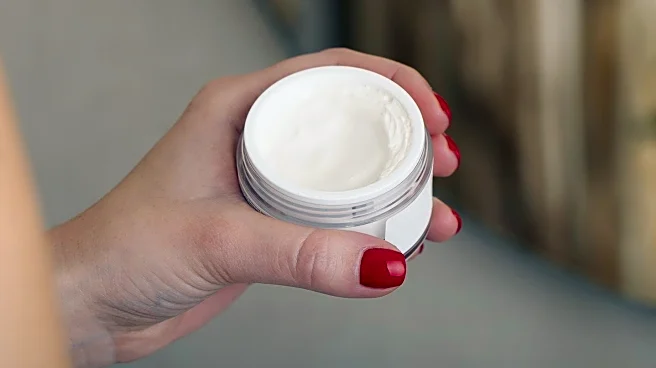
Staying hydrated and maintaining a healthy lifestyle, including regular exercise and avoiding smoking, can also contribute to healthier skin. Additionally, using skincare products that promote collagen production and skin repair can help maintain a youthful appearance.
Understanding the causes of wrinkles allows individuals to take proactive steps in managing their skin health. By addressing these factors, it is possible to reduce the appearance of wrinkles and maintain a more youthful complexion.