


Roker Park, a football stadium in Sunderland, England, served as the home of Sunderland AFC from 1898 to 1997. Over nearly a century, it witnessed numerous transformations and significant events that marked its history. From its construction to its eventual demolition, Roker Park played a pivotal role in the local and national football scene.
Early Years and Construction
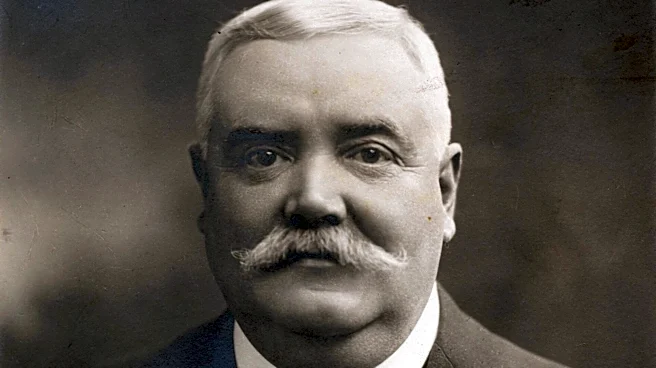
In the 1890s, Sunderland's chairman and his brother sought to build a larger stadium to replace the club's
existing ground at Newcastle Road. They purchased farmland from Mr. Tennant, with the condition that a house would also be built on the site. Within a year, Roker Park was constructed, featuring wooden stands that took only three months to build. The stadium officially opened on September 10, 1898, with a friendly match against Liverpool, which Sunderland won 1-0.
The early years of Roker Park were marked by rapid development. By 1913, the stadium's capacity had increased to 50,000, and in 1929, the old wooden grandstand was replaced by a new Main Stand designed by Archibald Leitch. This expansion nearly bankrupted the club, but it allowed Roker Park to accommodate crowds as large as 75,000.
Mid-Century Developments
Roker Park continued to evolve through the mid-20th century. In 1943, during World War II, a bomb landed on the pitch, highlighting the stadium's vulnerability during wartime. In 1952, Roker Park became one of the first stadiums in the country to install floodlights, following Arsenal's Highbury. These lights were initially temporary but were soon replaced by permanent structures.
The 1966 World Cup brought further improvements to Roker Park, including the addition of seats and a roof over the Fulwell End. The stadium hosted several World Cup matches, with a capacity of 40,310 during the tournament. These enhancements solidified Roker Park's status as a premier football venue in England.
Decline and Closure
The 1980s and 1990s saw a decline in Roker Park's fortunes, mirroring the club's struggles. The Hillsborough Disaster of 1989 led to a reduction in capacity, particularly affecting the Roker End. New regulations required the stadium to become all-seater, but the site was too confined for expansion.
In 1997, Sunderland AFC moved to the newly built Stadium of Light, marking the end of an era for Roker Park. The final competitive match at the stadium was a 3-0 victory over Everton. Following its closure, Roker Park was demolished, and a housing estate was built in its place, with street names commemorating the stadium's legacy.