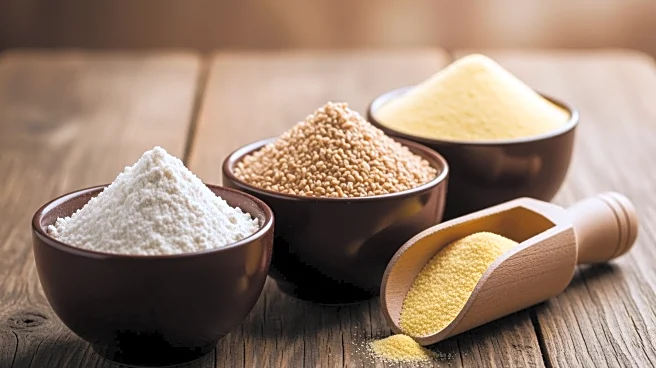




Wheat flour is a fundamental ingredient in many culinary traditions, serving as the base for a wide range of baked goods and other foods. Derived from the grinding of wheat grains, wheat flour comes in various types, each with unique properties and uses. Understanding these differences is key to selecting the right flour for your cooking and baking needs.
Types of Wheat Flour
Wheat flour is categorized based on the parts of the grain used in its production. The three main
components of a wheat grain are the endosperm, germ, and bran. White flour is made from the endosperm alone, resulting in a fine, starchy product. In contrast, whole grain or wholemeal flour includes all three components, offering a more nutritious option with higher fiber content.
Brown flour contains some of the germ and bran, providing a middle ground between white and whole grain flours. Germ flour, on the other hand, is made from the endosperm and germ, excluding the bran. Each type of flour has distinct characteristics that affect the texture and flavor of the final product.
Uses in Baking and Cooking
The choice of flour can significantly impact the outcome of baked goods. Hard flour, also known as bread flour, is high in gluten, making it ideal for bread and other products that require a strong structure. Its elastic toughness helps the dough hold its shape during baking.
Soft flour, which includes cake and pastry flours, has a lower gluten content, resulting in a finer, crumbly texture. This makes it suitable for delicate baked goods like cakes and pastries. In the United States, cake flour is the lowest in gluten, while pastry flour has slightly more gluten, offering a balance between tenderness and structure.
Regional Variations and Specialties
Different regions have developed unique types of wheat flour to suit their culinary traditions. For example, in India, flours are categorized by how much of the grain is stripped away. Atta flour, a mixture of endosperm and bran, is commonly used for making flatbreads like chapati. Maida flour, similar to American bleached flour, is used for a variety of baked goods.
In Southeast Asia, tang flour, a type of wheat starch, is used primarily in Chinese cuisine for making dumplings and buns. These regional variations highlight the versatility of wheat flour and its ability to adapt to different cooking styles and preferences.
Understanding the types and uses of wheat flour can enhance your baking and cooking experiences, allowing you to choose the right flour for your recipes and achieve the desired results.