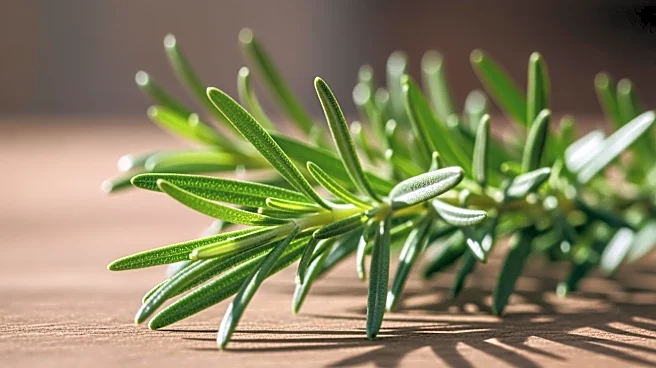







Rosemary, known scientifically as Rosmarinus officinalis, is a perennial herb that has captured the interest of many due to its fragrant, evergreen, needle-like leaves and its beautiful flowers. Native to the Mediterranean region, this herb is not only a staple in culinary practices but also a plant of significant botanical interest. This article delves into the unique characteristics and natural habitat of rosemary, highlighting its place in the plant kingdom.
Botanical Characteristics of Rosemary
Rosemary is a woody, perennial herb that belongs to the family Lamiaceae. This family is known for its aromatic members, and rosemary is no exception. The plant is characterized by its needle-like leaves, which are evergreen and emit a strong fragrance. These leaves are not only visually distinctive but also contribute to the plant's aromatic properties, making rosemary a popular choice in gardens and kitchens alike.
The flowers of rosemary add to its appeal, coming in shades of white, pink, purple, or blue. These vibrant colors make rosemary a visually striking plant, often used in ornamental gardening. The combination of its evergreen leaves and colorful flowers ensures that rosemary remains a favorite among plant enthusiasts and gardeners.
Native Habitat and Growth Conditions
Rosemary is native to the Mediterranean region, an area known for its warm climate and diverse plant life. The Mediterranean climate, characterized by hot, dry summers and mild, wet winters, provides the ideal conditions for rosemary to thrive. This region's unique climate has allowed rosemary to develop its distinctive characteristics, such as its drought resistance and aromatic properties.
In its native habitat, rosemary can often be found growing in rocky, well-drained soils. This preference for well-drained conditions is crucial for its survival, as rosemary is susceptible to root rot if left in waterlogged soil. Gardeners looking to cultivate rosemary outside its native region must replicate these conditions to ensure healthy growth.
Rosemary's Place in the Plant Kingdom
Within the plant kingdom, rosemary is classified under the order Lamiales, which includes a variety of other aromatic herbs. Its genus, Rosmarinus, is closely related to other well-known herbs such as mint and basil. This classification highlights rosemary's shared characteristics with other aromatic plants, including its essential oil content and culinary uses.
The species name, R. officinalis, indicates its historical use in medicine and cooking. The term "officinalis" is often used in botanical nomenclature to denote plants with recognized medicinal properties. This historical context adds another layer to rosemary's significance, as it has been valued not only for its flavor but also for its potential health benefits.
In conclusion, rosemary is a remarkable herb with a rich botanical background and a strong connection to its Mediterranean roots. Its unique characteristics and adaptability make it a fascinating subject for both gardeners and plant enthusiasts.