
Hair conditioner has become a staple in hair care routines worldwide, but its journey from a simple product to a sophisticated formulation is fascinating. This article delves into the history of hair conditioner,
tracing its evolution from the early 20th century to the advanced products we use today.
The Birth of Hair Conditioner
The concept of hair conditioning dates back to the early 20th century. The modern hair conditioner was introduced by the Edouard Pinaud company at the 1900 Exposition Universelle in Paris. This product, known as Brilliantine, was designed to soften men's hair, including beards and mustaches. It marked a significant shift from the greasy Macassar oil popular in the Victorian era, which required antimacassars to protect furniture from oil stains.
Brilliantine was a breakthrough in hair care, offering a less greasy alternative that appealed to men seeking softer hair. This innovation laid the groundwork for future developments in hair conditioning products, setting the stage for a century of advancements.
Advancements in Hair Conditioner Formulations
Since the introduction of Brilliantine, hair conditioners have undergone significant transformations. Modern science has played a crucial role in advancing the industry, leading to the development of conditioners made with silicone, fatty alcohols, quaternary ammonium compounds, and polymers. These ingredients provide the benefits of hair conditioning without the greasy feel associated with earlier products.
The evolution of hair conditioner formulations has focused on improving the texture, appearance, and manageability of hair. By reducing friction between hair strands, conditioners allow for smoother brushing and combing, minimizing damage to the scalp. Additionally, many conditioners now advertise benefits such as hair repair, strengthening, and split-end reduction, catering to a wide range of hair care needs.
The Diverse World of Hair Conditioners
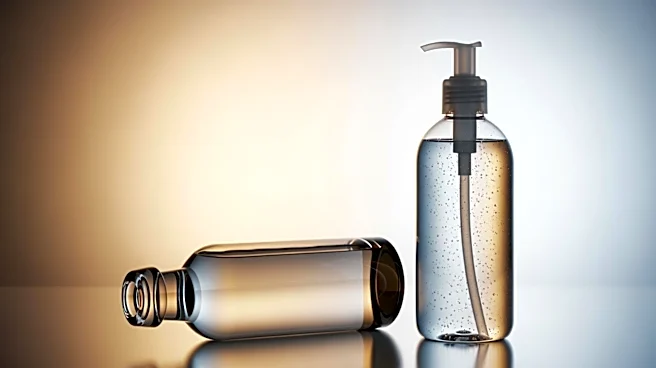
Today, hair conditioners are available in various forms, including viscous liquids, gels, creams, lotions, and sprays. This diversity allows consumers to choose products that best suit their hair type and styling preferences. Conditioners are typically used after shampooing, with options to rinse out or leave in, depending on the desired effect.
The market also offers specialized conditioners, such as deep conditioners or hair masks, designed to restore moisture and reduce breakage. Leave-in conditioners provide lightweight moisture without weighing down the hair, making them popular among individuals with curly or kinky hair. Rinse-out conditioners, or creme rinses, are the most common, often paired with matching shampoos for a complete hair care routine.
The evolution of hair conditioner reflects the industry's response to consumer demands for effective, versatile, and user-friendly products. As science continues to advance, the future of hair conditioning promises even more innovative solutions for maintaining healthy, beautiful hair.