
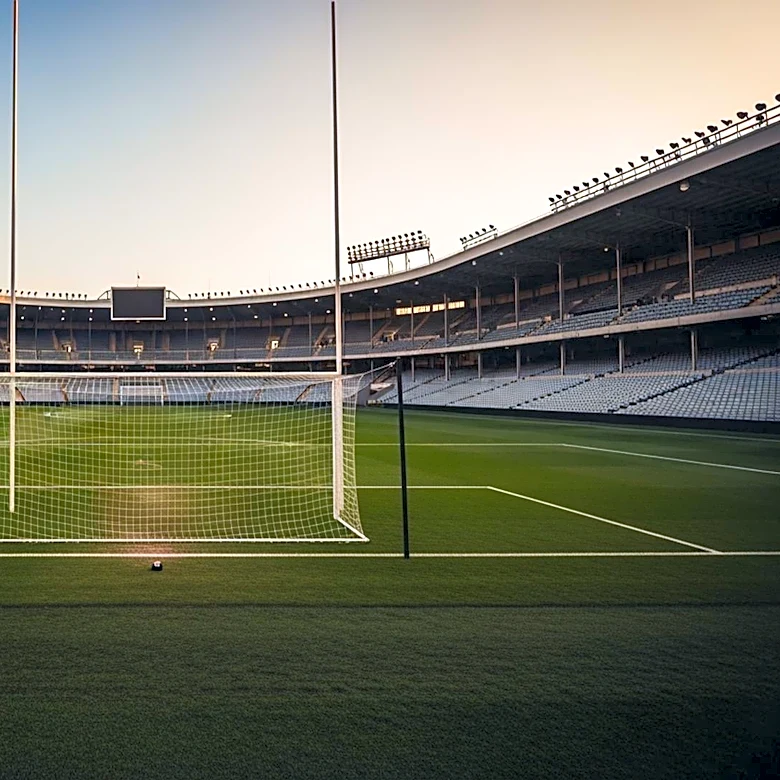


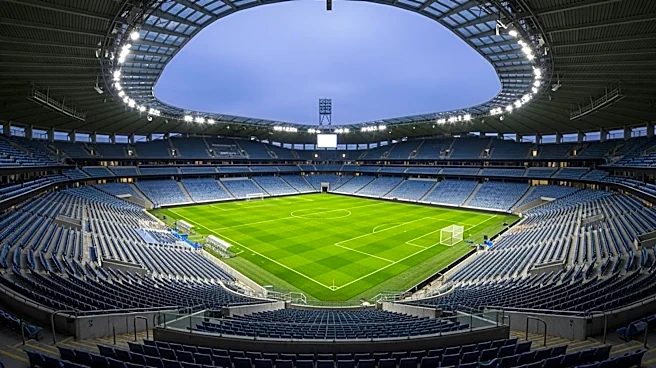
Stade Chaban-Delmas, located in Bordeaux, France, has a rich history that reflects its transformation from a cycle-racing track to a prominent sports venue. Originally built in 1924, the stadium underwent significant changes to accommodate major sporting events, including the 1998 FIFA World Cup. This article explores the historical development of Stade Chaban-Delmas, highlighting key milestones in its evolution.
Early Beginnings and Transformation
Stade Chaban-Delmas was initially constructed
as a cycle-racing track in 1924. The site, known as Parc Lescure, was named after the fallow lands on which it was built. In 1935, the stadium underwent a major reconfiguration to prepare for the 1938 FIFA World Cup. Architects Jacques d'Welles and Raoul Jourde redesigned the venue in an Art Deco style, making it the first stadium in the world with stands entirely covered without pillars obstructing the view.
The transformation of the stadium marked a significant milestone in its history, as it transitioned from a cycle track to a football venue. The reconfiguration allowed it to host two matches during the 1938 FIFA World Cup, including a quarter-final and the match for third place. At that time, the stadium's capacity was 25,000, showcasing its ability to accommodate large crowds for international events.
Expansion for the 1998 FIFA World Cup
In preparation for the 1998 FIFA World Cup, Stade Chaban-Delmas underwent further expansions to increase its seating capacity. The stadium was expanded to accommodate 34,462 spectators, allowing it to host five pool matches and a match for the finals during the tournament. This expansion was crucial in solidifying its status as a world-class venue capable of hosting major international events.
The 1998 FIFA World Cup brought global attention to Stade Chaban-Delmas, highlighting its architectural significance and historical importance. The stadium's ability to host multiple matches during the tournament demonstrated its versatility and capacity to adapt to the demands of modern sports events.
Legacy and Continued Use
Following the World Cup, Stade Chaban-Delmas continued to serve as a key venue for sporting events. It hosted matches for the 2007 Rugby World Cup and became the home ground for Union Bordeaux Bègles, a Top 14 rugby team, in 2011. The stadium's long tunnel, connecting locker rooms to the field, remains the longest in Europe, adding to its unique features.
The legacy of Stade Chaban-Delmas is marked by its ability to evolve and adapt over the decades. From its origins as a cycle track to its role in hosting international football and rugby events, the stadium has maintained its historical significance while embracing modern sporting needs. Its continued use reflects its enduring importance in the world of sports.