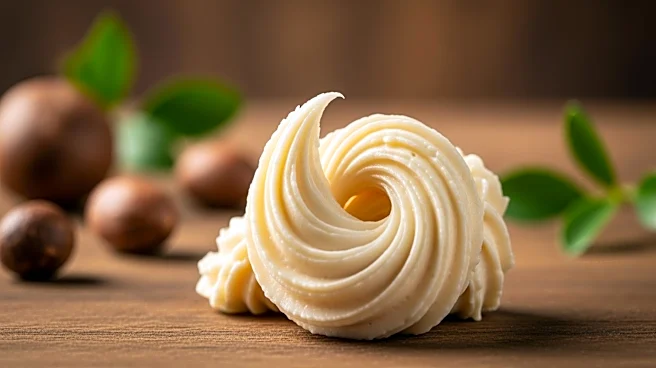





Shea butter is renowned for its moisturizing and healing properties, making it a popular choice in cosmetics and skincare products. But what exactly gives shea butter its unique characteristics? This article explores the scientific composition of shea butter and the properties that make it so valuable.
Fatty Acid Profile and Consistency
Shea butter is primarily composed of five fatty acids: palmitic, stearic, oleic, linoleic, and arachidic acids. The majority of its composition, about
85 to 90%, consists of stearic and oleic acids. These acids play a crucial role in determining the consistency of shea butter.
Stearic acid contributes to the solid consistency of shea butter, while oleic acid influences its softness or hardness, depending on ambient temperature. The balance between these two acids can vary significantly across different regions, affecting the butter's texture. For instance, Ugandan shea butter has a high oleic acid content, making it liquid at warm temperatures, whereas West African shea butter shows more variability.
Phenolic Compounds and Environmental Influence
In addition to fatty acids, shea butter contains phenolic compounds, which contribute to its antioxidant properties. A study conducted in 2014 identified ten phenolic compounds in shea butter, eight of which are catechins. These compounds are known for their ability to protect the skin from oxidative stress and environmental damage.
The concentration of phenolic compounds in shea kernels can vary based on environmental factors. Researchers hypothesize that the level of phenols is linked to the environmental stress endured by the shea trees. This variability underscores the importance of regional differences in the composition and quality of shea butter.
Applications in Cosmetics and Beyond
Shea butter's unique composition makes it an ideal ingredient for cosmetics, particularly in products designed for skin and hair care. Its high content of unsaponifiables, substances that do not turn into soap, allows it to provide lasting moisture and protection to the skin.
Beyond cosmetics, shea butter is used in food preparation in some African countries, serving as a cooking oil and a substitute for cocoa butter in chocolate production. Its versatility extends to other applications, such as waterproofing wax, hairdressing, and candle-making.
The scientific understanding of shea butter's composition and properties highlights its multifaceted uses and benefits. As research continues to uncover more about this natural product, its role in various industries is likely to expand, further solidifying its status as a valuable resource.