
In the wake of the United States' withdrawal from the Paris Agreement in 2017, a coalition of states formed the U.S. Climate Alliance. This bipartisan group aimed to uphold the objectives of the Paris Agreement at the state level,
demonstrating a commitment to climate action despite federal policy shifts. This article explores the formation, goals, and impact of the U.S. Climate Alliance on state-level climate initiatives.
Formation and Objectives
The U.S. Climate Alliance was formed on June 1, 2017, the same day President Donald Trump announced the United States' withdrawal from the Paris Agreement. The alliance was initiated by the governors of California, New York, and Washington, who were soon joined by other states committed to reducing greenhouse gas emissions.
The primary objective of the alliance is to achieve the U.S. goal of reducing economy-wide emissions by 26-28% from 2005 levels by 2025. The alliance also aims to meet or exceed the targets of the federal Clean Power Plan, showcasing a strong commitment to climate action at the state level.
Membership and Impact
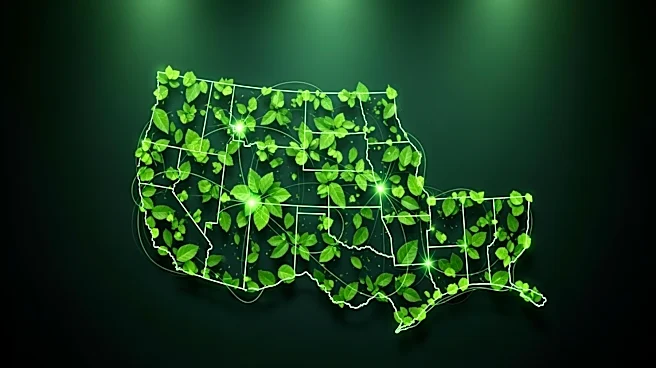
As of 2024, the U.S. Climate Alliance comprises 22 states and two territories, representing over 60% of the U.S. GDP and 55% of the population. The alliance serves as a platform for states to share information, develop climate action plans, and collaborate on initiatives to reduce emissions.
The impact of the alliance has been significant, with member states implementing policies to promote renewable energy, improve energy efficiency, and reduce carbon emissions. These efforts have contributed to progress towards the alliance's emission reduction goals and have demonstrated the potential for state-level leadership in climate policy.
Challenges and Future Prospects
Despite its successes, the U.S. Climate Alliance faces challenges, including political opposition and the need for continued collaboration among diverse states. The alliance's non-binding nature means that member states must rely on voluntary commitments and cooperation to achieve their goals.
Looking ahead, the alliance aims to continue its efforts to reduce emissions and promote sustainable practices. The rejoining of the United States to the Paris Agreement under President Joe Biden has provided additional support for the alliance's objectives, highlighting the importance of both federal and state-level action in addressing climate change.
The U.S. Climate Alliance represents a significant state-level response to federal climate policy, showcasing the power of collaboration and commitment in the face of political challenges. As the alliance continues to grow and evolve, it serves as a model for other regions and countries seeking to address climate change through subnational efforts.