



Handstands are a fascinating display of human strength and balance, requiring the performer to support their body in an inverted vertical position using only their hands. This seemingly simple act is a complex interplay of muscle coordination and balance, making it a staple in various athletic disciplines such as gymnastics, dance, and yoga. Understanding the physical demands and techniques involved in handstands can provide insight into why they
are both challenging and rewarding.
Physical Demands of Handstands
Performing a handstand requires significant upper body strength, particularly in the wrist flexor muscles, anterior deltoid, pectoralis major, latissimus dorsi, biceps brachii, and trapezius descendens. These muscles work together to stabilize the body and maintain the inverted position. The demand on these muscles is high, as they must support the entire body weight while keeping the arms and legs fully extended.
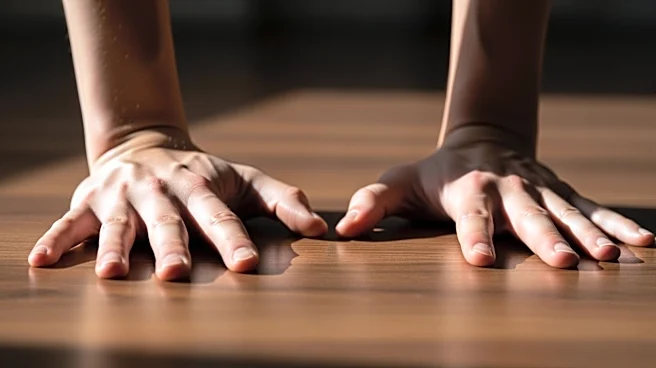
In addition to muscle strength, handstands require a keen sense of balance. The performer must constantly adjust their center of pressure to maintain stability. This involves subtle movements of the wrists and fingers to counteract any shifts in body weight. Advanced practitioners, such as expert gymnasts, have refined their ability to alter their center of pressure minimally, allowing for more precise control during handstands.
Techniques for Mastering Handstands
Achieving a stable handstand involves mastering several techniques. The basic handstand position requires the arms to be straight and the hands placed shoulder-width apart. The legs should be held together with pointed toes to continue the lines of the legs. In gymnastics, there are two primary styles of handstands: straight-back and curved-back. The straight-back style is preferred for its aesthetic appeal, while the curved-back style offers superior control over balance.
Practitioners often use wrist movement to maintain balance, and more advanced moves like the press handstand and handstand push-up require even greater strength and control. These techniques are honed through practice and repetition, allowing performers to execute handstands with precision and confidence.
Handstands in Athletic Disciplines
Handstands are a versatile skill used in various athletic activities, including acro dance, cheerleading, circus, yoga, capoeira, calisthenics, swimming, and gymnastics. Each discipline incorporates handstands differently, showcasing the adaptability of this skill. In gymnastics, handstands are performed on every apparatus, and many tumbling skills pass through a handstand position during execution.
In yoga, the handstand is known as Adho Mukha Vrksasana, or Downward-facing Tree Pose, and is considered an inverted pose. In capoeira, it is called bananeira, highlighting its cultural significance. The widespread use of handstands across these disciplines underscores their importance as a fundamental skill in athletic performance.