



The 1950 animated film Cinderella marked a significant milestone for Walt Disney Productions, both creatively and financially. Based on Charles Perrault's fairy tale, the film was a product of meticulous planning and innovative techniques that brought the beloved story to life. This article delves into the production process, highlighting the challenges and breakthroughs that defined the making of this classic.
Early Development and Storyboarding
The journey to create Cinderella began
in the early 1940s, a period when Disney faced financial difficulties due to World War II. The studio had suffered commercial failures with previous films like Pinocchio and Fantasia. By 1947, Disney was over $4 million in debt, prompting a return to feature film production with Cinderella as a potential savior. Initial story development involved adapting Perrault's tale into a format suitable for animation, with various treatments and story outlines explored.
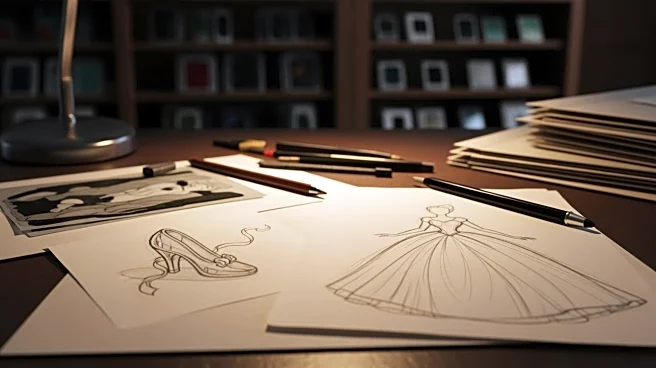
Walt Disney and his team faced the challenge of expanding the story beyond a short format. Storyboard artists suggested visual gags and character interactions, some of which made it into the final film. By 1948, Cinderella had progressed further than other projects like Alice in Wonderland, leading to its fast-tracking as the studio's next major release.
Animation Techniques and Live-Action Reference
A key aspect of Cinderella's production was the use of live-action reference footage. Starting in spring 1948, actors were filmed on soundstages to evaluate plot, timing, and character movement before animating. This approach was intended to keep production costs down and ensure the animation was right the first time. The footage was edited frame-by-frame onto Photostat sheets, guiding animators in creating the final animated sequences.
Walt Disney hired actress Helene Stanley to perform the live-action reference for Cinderella, influencing the character's final appearance. This technique allowed animators to capture realistic movements and expressions, enhancing the film's visual appeal. Despite the constraints of live-action reference, the animators succeeded in creating memorable scenes, such as Cinderella's dress transformation, which Walt Disney considered his favorite piece of animation.
Overcoming Financial Challenges and Achieving Success
The financial challenges faced by Disney during Cinderella's production were significant. The studio's bank debt had declined slightly by 1947, but the need for sound economic policies was evident. Walt Disney emphasized the importance of returning to full-length animated films to restore the studio's financial health. Despite initial reluctance from his brother Roy, Disney pushed forward with Cinderella, selecting top-tier animation talent to ensure its success.
Cinderella's release in 1950 was met with critical acclaim and box office success, reversing the studio's fortunes. It became Disney's biggest hit since Snow White and the Seven Dwarfs, earning nearly $4.28 million in distributor rentals from the United States and Canada. The film's success allowed Disney to continue producing films throughout the 1950s, establishing his own distribution company and beginning the development of Disneyland.