


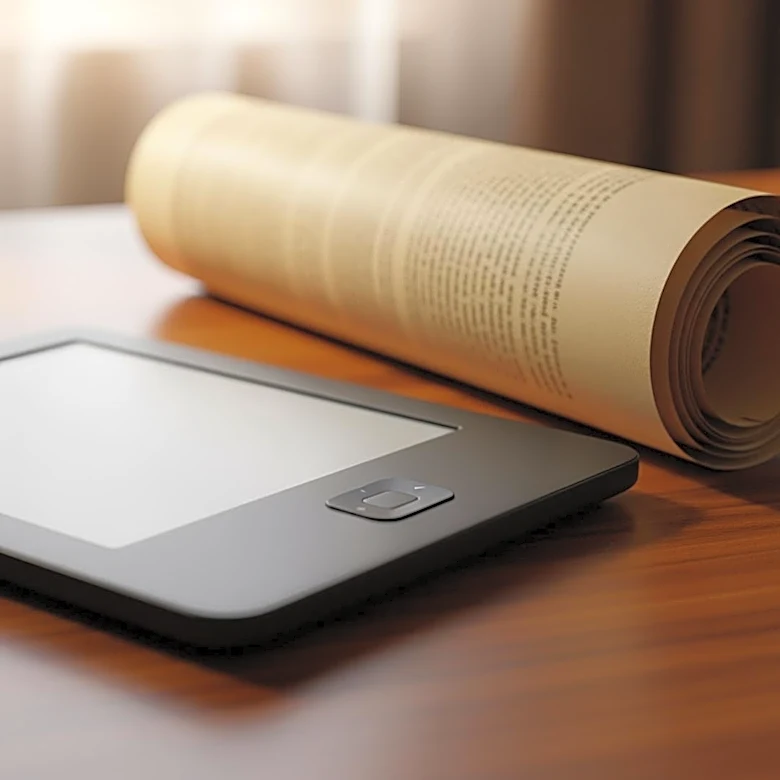



Since its introduction in 2007, the Kindle device has transformed the way people read, offering a portable and convenient alternative to traditional books. Developed by Amazon, the Kindle has evolved through multiple generations, each bringing new features and improvements. This article explores the development of Kindle devices and the technological advancements that have made them a staple in the world of e-readers.
The Early Days of Kindle
The first Kindle device was launched
on November 19, 2007, and quickly sold out within hours. Priced at $399, the original Kindle featured a six-inch E Ink display, 250 MB of internal storage, and the ability to download content via Amazon's Whispernet. This initial model set the stage for future iterations, offering readers a glimpse into the potential of digital reading.
In 2009, Amazon released the Kindle 2, which introduced several enhancements, including a text-to-speech option and increased storage capacity. The Kindle 2 could hold approximately 1,500 non-illustrated books, making it a popular choice for avid readers. The device's slimmer design and improved performance further solidified its place in the e-reader market.
Advancements in Kindle Technology
As the Kindle evolved, Amazon continued to innovate, introducing new features and models to enhance the reading experience. The Kindle DX, released in 2009, offered a larger 9.7-inch screen, making it ideal for reading newspapers and textbooks. This model also included an accelerometer, allowing users to switch between portrait and landscape orientations.
In 2012, Amazon unveiled the Kindle Paperwhite, which featured a built-in light for reading in low-light conditions. This model marked a significant advancement in e-reader technology, providing users with a more comfortable reading experience. The Paperwhite's high-resolution display and long battery life made it a favorite among Kindle users.
The Modern Kindle Experience
Today, Kindle devices continue to push the boundaries of reading technology. The Kindle Oasis, introduced in 2016, offers a premium reading experience with its ergonomic design, physical page-turn buttons, and adaptive front light. This model is also water-resistant, allowing users to read in various environments without worry.
The latest Kindle models, such as the Kindle Paperwhite 4 and Kindle Oasis 3, feature even more advanced technology, including higher resolution displays, adjustable warm light, and increased storage capacity. These devices cater to a wide range of reading preferences, ensuring that there is a Kindle for every type of reader.
In conclusion, the Kindle device has revolutionized the way people read, offering a convenient and versatile alternative to traditional books. As Amazon continues to innovate and improve its e-readers, the Kindle remains a leader in the digital reading market, providing users with an unparalleled reading experience.