



Jewelry making is an ancient craft that has evolved over thousands of years, showcasing the creativity and skill of artisans across different cultures. This article explores the materials, techniques, and craftsmanship involved in jewelry making, highlighting how this art form has developed and adapted over time.
Materials Used in Jewelry Making
The materials used in jewelry making have varied greatly throughout history, reflecting the resources available to different cultures. In
ancient times, jewelry was often made from natural materials such as shells, stones, and bones. As civilizations advanced, metals like gold, silver, and bronze became the primary materials for crafting jewelry.
Gemstones have also played a significant role in jewelry making, with cultures like the Egyptians and Romans incorporating precious and semi-precious stones into their designs. The use of colored glass in Roman jewelry is a testament to the innovative spirit of ancient artisans, who sought to create vibrant and eye-catching pieces.
Techniques and Craftsmanship
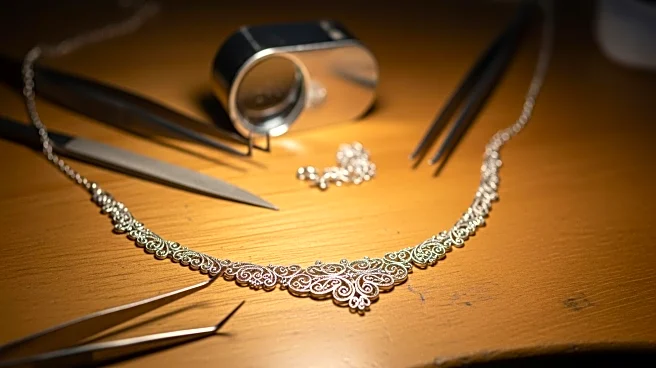
Jewelry making techniques have evolved over time, with artisans developing new methods to enhance their creations. In ancient Mesopotamia, techniques such as cloisonné, engraving, and filigree were used to create intricate designs. The Greeks and Romans further advanced these techniques, with Roman jewelry often featuring mass-produced elements made using molds and casting methods.
The Middle Ages saw the rise of new techniques, such as enameling and the use of gemstones in settings. During the Renaissance, the focus shifted to the artistic design of jewelry, with artisans experimenting with new materials and styles. The Industrial Revolution brought about significant changes in jewelry making, with the introduction of machinery and mass production techniques.
Modern Innovations
In the modern era, jewelry making has continued to evolve, with designers embracing new materials and technologies. The development of synthetic gemstones and the use of plastics and other modern materials have expanded the possibilities for jewelry design. Techniques such as 3D printing have opened up new avenues for creating intricate and personalized pieces.
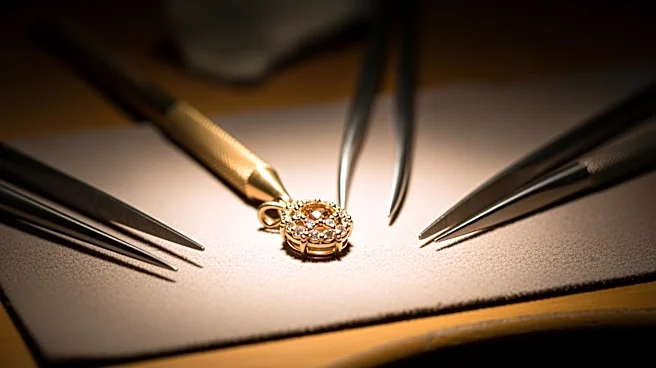
Despite these advancements, traditional craftsmanship remains highly valued in the jewelry industry. Artisans continue to use age-old techniques, such as hand engraving and stone setting, to create unique and high-quality pieces. The blending of traditional and modern methods in jewelry making reflects the ongoing evolution of this ancient art form, showcasing the creativity and skill of artisans across the ages.