Crochet is a versatile craft that has seen a revival in the early 21st century, driven by the DIY movement and improved yarn varieties. It is celebrated for its therapeutic benefits, aiding in emotional well-being and fostering community. Crochet has also been used in educational programs to explore identity and self-expression, bridging art and technology.
Core Facts
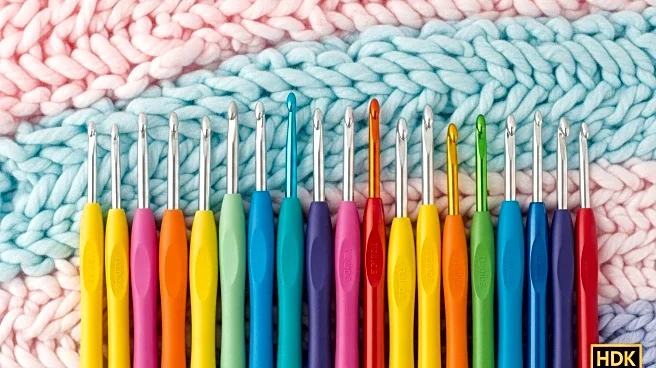
Crochet involves using a hook to loop yarn into fabric, creating a wide range of items from clothing to home decor. It is a relatively low-cost and portable craft, with basic stitches easily learned by most people. The tactile and creative nature of crochet has been shown to improve emotional well-being, making it a popular hobby worldwide.
Notable Details
During the Great Irish Famine, crochet lace work was introduced as a form of famine relief, providing an alternative way for impoverished Irish workers to earn money. Schools were established to teach crochet, and teachers were trained to spread the craft across Ireland. This initiative helped alleviate financial hardship and preserved the craft for future generations.
Comparisons and Contrasts
Crochet is often compared to knitting, another popular yarn craft. While both involve creating fabric from yarn, crochet uses a single hook, whereas knitting uses two needles. Crochet is generally considered easier to learn, with more flexibility in creating intricate patterns and shapes.
Key Data Points
A study by the Royal Society for Public Health in 2020 surveyed 8,391 crocheters from 87 countries, highlighting the craft's global appeal. The study found that crochet helps manage anxiety, depression, and chronic pain, with participants reporting improved emotional well-being and a sense of community.
 Discover Daily