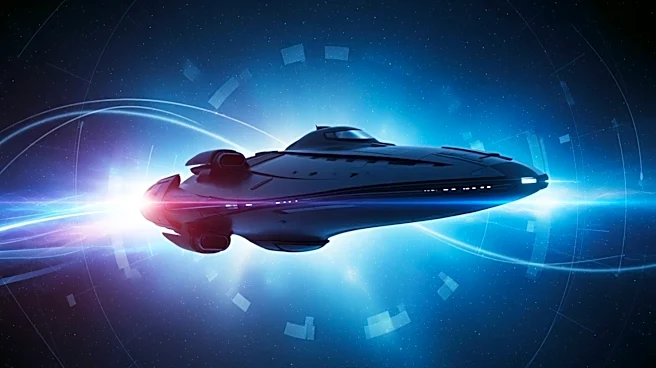

Star Trek: The Next Generation (TNG) is not just a television series; it is a cultural phenomenon that has left a lasting impact on both the science fiction genre and society at large. Airing from 1987
to 1994, TNG expanded the Star Trek universe and introduced new ideas that resonated with audiences worldwide. This article delves into the cultural significance of TNG and its influence on television and society.
Breaking New Ground in Television
When TNG premiered, it broke new ground in television by being one of the first series to be produced in first-run syndication. This allowed the show to reach a wide audience without being tied to a specific network, contributing to its widespread popularity. The series' success demonstrated the viability of syndication as a distribution model, paving the way for future shows to follow suit.
TNG was also notable for its diverse cast and progressive themes. The series featured strong, complex characters from various backgrounds, promoting inclusivity and representation. Characters like Geordi La Forge, a blind engineer, and Worf, a Klingon officer, challenged traditional stereotypes and provided positive role models for viewers. The show's commitment to diversity and social commentary set a precedent for future television series.
Addressing Social and Ethical Issues
One of the hallmarks of TNG was its willingness to tackle social and ethical issues through its storytelling. The series often used science fiction as a lens to explore contemporary topics such as human rights, environmentalism, and the consequences of technological advancement. Episodes like "The Measure of a Man" and "The Offspring" addressed themes of artificial intelligence and personhood, prompting viewers to consider the ethical implications of emerging technologies.
TNG's exploration of these issues resonated with audiences and sparked discussions about the role of science fiction in addressing real-world problems. The series' ability to engage with complex topics in an accessible and entertaining way contributed to its enduring appeal and cultural relevance.
Legacy and Influence
The cultural impact of TNG extends beyond its original run. The series has inspired a new generation of science fiction creators and has been referenced in various forms of media, from films to video games. Its influence can be seen in the continued popularity of the Star Trek franchise, which has expanded to include multiple spin-off series and films.
TNG's legacy is also evident in its dedicated fan base, which continues to celebrate the series through conventions, fan fiction, and online communities. The show's themes of exploration, diversity, and ethical inquiry continue to resonate with audiences, ensuring that its cultural impact will endure for years to come.