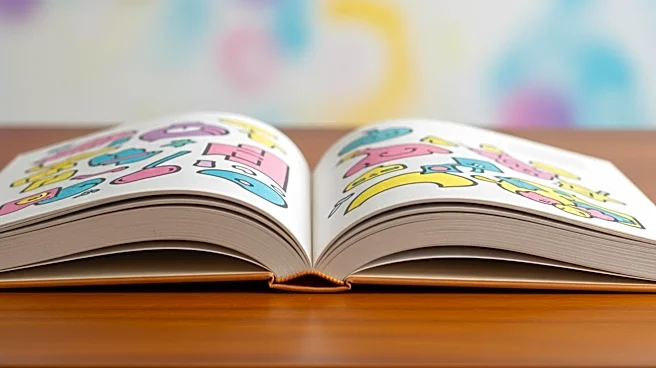

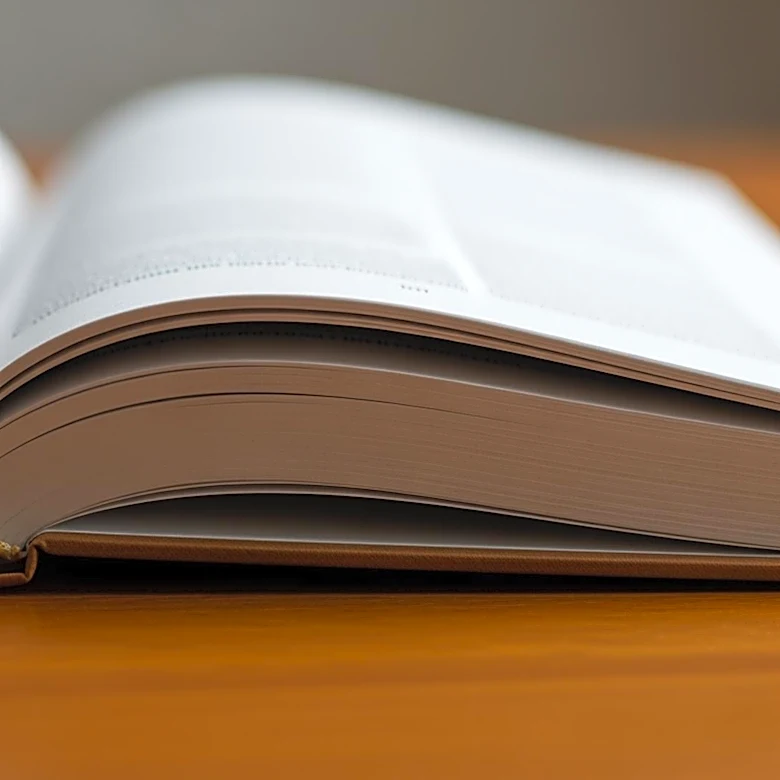



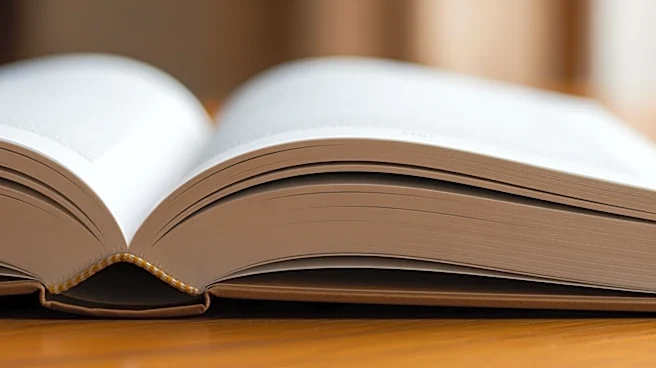

Books are more than just collections of words; they are physical objects with distinct characteristics that define their structure and appearance. These physical properties play a crucial role in how books are produced, distributed, and perceived by readers. Understanding these elements can provide insight into the art and science of bookmaking.
Book Size and Materials
One of the fundamental physical properties of a book is its size, often referred to as trim size. This dimension
affects not only the book's appearance but also its usability and portability. Different genres and types of books may have standard sizes that cater to their specific needs. For instance, novels might be smaller for easy handling, while textbooks could be larger to accommodate more content and illustrations.
The materials used in book production also significantly impact its physical properties. Paper is the most common material, chosen for its ability to absorb ink and provide a smooth surface for printing. However, other materials like parchment, made from animal hide, or heavier alternatives like cotton or reeds, can be used for specific purposes. These materials affect the book's weight, durability, and overall feel, contributing to the reader's tactile experience.
Binding and Covers
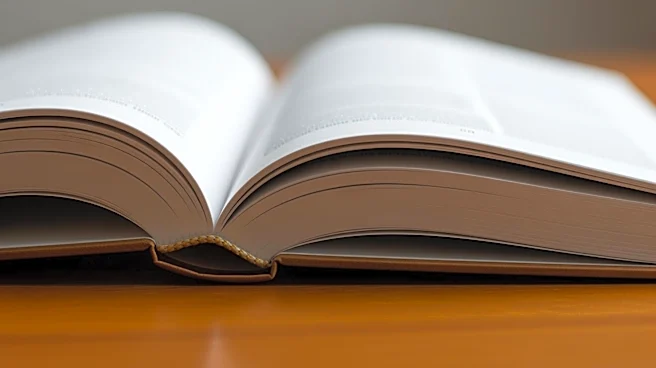
Binding is another critical aspect of a book's physical properties. It involves assembling the pages into a single volume, which can be done in various ways, such as perfect binding, saddle stitching, or spiral binding. The choice of binding affects the book's durability and how it opens and closes, influencing the reader's interaction with the book.
The book cover serves as a protective layer, binding the pages together and providing a surface for the book's title and other information. Covers can be made from different materials, including paper, cloth, or leather, each offering a unique texture and appearance. The dust jacket, a detachable outer cover, adds an additional layer of protection and often features printed text and illustrations to attract potential readers.
The Role of Physical Properties in Book Design
The physical properties of a book are integral to its design and production. They influence not only the book's aesthetic appeal but also its functionality and marketability. A well-designed book considers these properties to create a product that is both visually appealing and practical for its intended audience.
In the competitive world of publishing, the physical characteristics of a book can set it apart from others on the shelf. A thoughtfully designed book with appealing materials and a sturdy binding can enhance the reader's experience and increase the book's value. Thus, understanding and utilizing the physical properties of books is essential for authors, designers, and publishers aiming to create successful and memorable works.