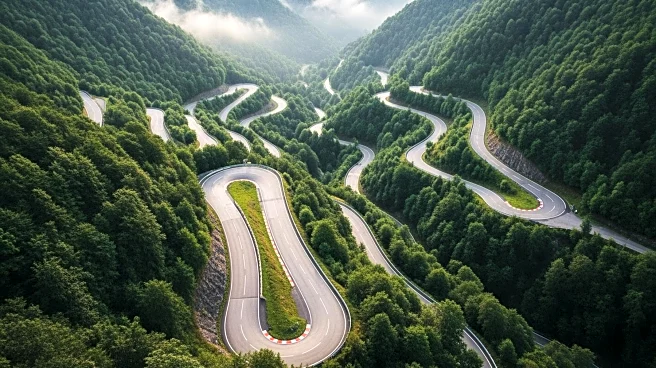




The Circuit de Spa-Francorchamps is one of the most iconic motor racing circuits in the world, known for its challenging layout and rich history. Located in Stavelot, Belgium, this track has been a staple in the world of motorsport since its inception in 1921. Over the years, the circuit has undergone numerous changes to improve safety and accommodate modern racing standards, while still maintaining its unique character.
Early Beginnings and Initial Layout
The original layout of the
Circuit de Spa-Francorchamps was established in 1921, utilizing public roads between the towns of Francorchamps, Malmedy, and Stavelot. This early version of the track was a daunting 14.982 kilometers long, featuring a mix of fast straights and challenging corners. The circuit quickly gained a reputation for being one of the fastest and most dangerous tracks in the world, with its high-speed corners and lack of safety features.
In the early years, the circuit was primarily used for motorcycle racing, but it soon became a popular venue for car races as well. The first car race at Spa took place in 1922, and by 1924, the track hosted the inaugural 24 Hours of Spa, a prestigious endurance race that continues to this day. The circuit's popularity grew, and it became a regular fixture on the international racing calendar.
Mid-Century Changes and Safety Concerns
As the decades passed, the Circuit de Spa-Francorchamps continued to evolve. In 1939, a significant change was made to the track layout with the introduction of the Raidillon corner, which bypassed the slower Ancienne Douane section. This change made the circuit even faster and more challenging for drivers. However, the lack of safety measures remained a concern, and the circuit was notorious for its high number of accidents and fatalities.
In the 1960s, the circuit underwent further modifications to improve safety. The track was shortened to 14.100 kilometers, and some of the more dangerous sections were reconfigured. Despite these changes, the circuit remained a formidable challenge, and many drivers continued to express concerns about its safety. The 1970 Belgian Grand Prix was the last Formula One race held on the original layout, as the circuit was deemed too dangerous for modern racing.
Modern Era and Continued Legacy
In 1979, the Circuit de Spa-Francorchamps was extensively redesigned to meet modern safety standards. The track was shortened to 7.004 kilometers, and new safety features were added, including run-off areas and barriers. These changes made the circuit safer for drivers while preserving its unique character and challenging layout.
Today, the Circuit de Spa-Francorchamps is a beloved venue for motorsport fans and drivers alike. It hosts a variety of prestigious events, including the Formula One Belgian Grand Prix and the 24 Hours of Spa. The circuit's combination of history, speed, and technical challenges continues to captivate the racing world, ensuring its place as one of the most iconic tracks in motorsport history.