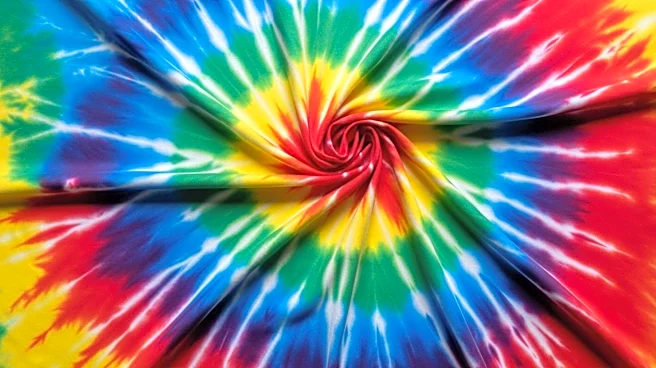




Tie-dye is a global phenomenon with a rich tapestry of techniques and styles that vary from region to region. While it is often associated with the 1960s and 70s counterculture in the United States, tie-dye has deep roots in many cultures around the world. This article delves into the international variations of tie-dye, highlighting the unique methods and influences that have shaped this art form.
Asian Traditions
In Asia, tie-dye has a long and storied history, with
each region developing its own distinct techniques. In Japan, shibori is a traditional method that involves intricate resist techniques, such as stitching and binding, to create detailed patterns. Shibori has been practiced since the 8th century and is known for its precision and artistry, often used to decorate kimono and other garments.
Indonesia is home to jumputan, a tie-dye technique that is often combined with batik, a wax-resist dyeing method. This combination results in intricate designs that are both colorful and complex. In Thailand and Laos, mudmee tie-dye is characterized by its subdued colors and black base, offering a different aesthetic compared to the bright hues typically associated with tie-dye.
African and Indian Techniques
In Africa, tie-dye has been used for centuries, particularly in the Hausa region of West Africa. The indigo dye pits of Kano, Nigeria, are renowned for producing richly colored tie-dyed fabrics that are often embroidered with traditional patterns. This technique has influenced tie-dye practices around the world, contributing to its global appeal.
India is known for bandhani, a form of tie-dye that originated in western India. Bandhani involves tying small sections of fabric with thread to create intricate patterns. The resulting designs are often used in traditional Indian garments, showcasing the cultural significance of tie-dye in the region.
Western Adaptations
While tie-dye has ancient roots, its modern incarnation in the Western world is largely a product of the 1960s and 70s. During this time, tie-dye became a symbol of the counterculture movement, embraced for its vibrant colors and unique patterns. The technique was adapted to suit Western tastes, often using affordable dyes and materials to create psychedelic designs.
Today, tie-dye continues to evolve, with artists and designers drawing inspiration from its global origins. The fusion of traditional techniques with modern innovations has resulted in a diverse array of styles, making tie-dye a truly international art form. Its ability to transcend cultural boundaries and adapt to new contexts is a testament to its enduring appeal and influence.