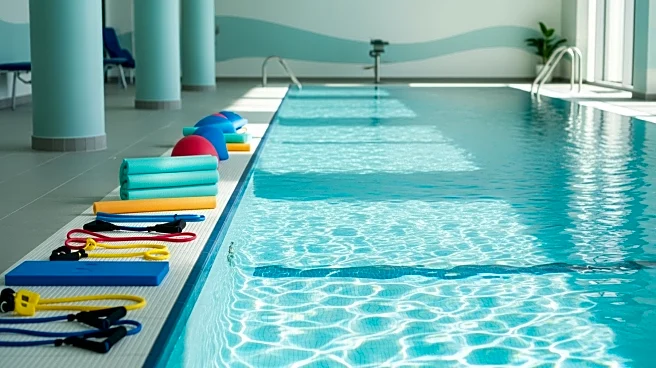




Aquatic therapy encompasses a variety of techniques designed to leverage the therapeutic properties of water for physical rehabilitation and fitness. This article explores the different techniques used in aquatic therapy and the professional training required to deliver effective treatment.
Diverse Techniques in Aquatic Therapy
Aquatic therapy includes a broad set of approaches, such as Ai Chi, Aqua Running, Bad Ragaz Ring Method, Halliwick, and Watsu. Each technique utilizes water's unique
properties, like buoyancy and resistance, to facilitate rehabilitation and exercise. Ai Chi, for instance, combines diaphragmatic breathing with progressive resistance training, drawing elements from qigong and tai chi to relax and strengthen the body.
Aqua Running, also known as Deep Water Running or Aquajogging, is a form of cardiovascular conditioning performed in deep water with flotation devices. This technique is particularly useful for injured athletes and individuals seeking a low-impact aerobic workout, as it supports the head above water while allowing for effective exercise.
Professional Training and Certification
Aquatic therapy is performed by diverse professionals, including physical therapists and athletic trainers, who undergo specific training and certification. The Aquatic Therapy and Rehab Institute (ATRI) provides certification, aiming to further education for therapists working in aquatic environments. Certification prerequisites include 15 hours of aquatic therapy education, which can be completed hands-on or online.
Once the prerequisites are met, candidates can take the ATRI's Aquatic Therapeutic Exercise Certification exam. This certification ensures that therapists are equipped with the knowledge and skills necessary to deliver safe and effective aquatic therapy.
The Role of Water in Therapy
Water's properties play a crucial role in aquatic therapy, offering benefits such as resistance, buoyancy, and thermal stability. These properties allow for controlled environments that support muscle reeducation and skill development, particularly for individuals with neurological and musculoskeletal impairments.
Hydrostatic pressure and turbulence in water provide gentle manipulation and movement, enhancing therapeutic outcomes. The ability to use water for resistance instead of gravity or weights makes aquatic therapy a versatile option for rehabilitation.
Aquatic therapy continues to evolve, with ongoing research and development of new techniques that leverage water's therapeutic potential. As the field expands, it offers promising opportunities for treating a diverse array of conditions, ensuring that aquatic therapy remains a vital component of rehabilitation and fitness.