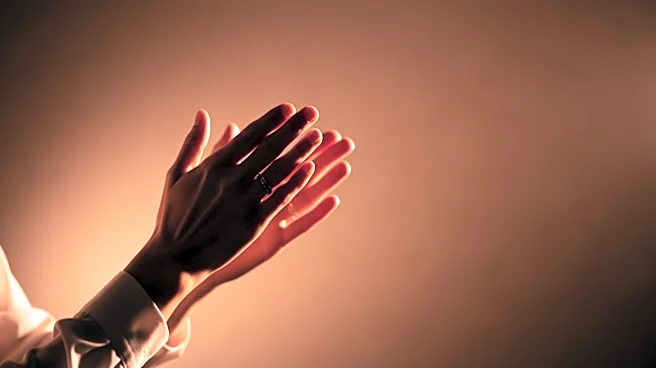






Applause is a universal form of expression that transcends cultural boundaries, serving as a powerful tool for conveying appreciation and approval. This simple act of clapping hands together has evolved into a complex social ritual with deep cultural significance. From ancient Roman theaters to modern-day concerts, applause has played a crucial role in human interaction and communication.
Historical Roots of Applause
The origins of applause are shrouded in mystery, but its presence
is widespread across human cultures. In ancient Rome, applause was a structured ritual, with different forms of clapping and gestures used to express varying levels of approval. The upper class would wave their togas, while the lower class, unable to afford togas, would wave pieces of cloth. This practice highlights how applause was not only a form of expression but also a reflection of social hierarchies.
The Roman tradition of organized applause, known as the claque, involved professional applauders who were paid to enhance the perceived approval of a performance. This practice underscores the importance of applause in shaping public perception and the lengths to which performers would go to secure it. The claque's influence was so significant that it prompted composers like Gustav Mahler to request uninterrupted performances to avoid applause between movements.
Applause in Modern Contexts
In contemporary settings, applause continues to be a vital part of performances and public events. It is customary for audiences to applaud at the end of a musical number in theater or after a jazz solo. In political settings, such as the State of the Union Address, applause can occur mid-speech, often tracked by media as a measure of approval.
Applause is not limited to traditional performances. In sports, audiences may applaud to show respect for athletes, and in air travel, passengers sometimes clap upon a successful landing. These instances demonstrate how applause has adapted to various contexts, maintaining its role as a universal sign of appreciation.
Variations and Innovations in Applause
Different cultures have developed unique variations of applause. In deaf culture, for example, visual applause involves raising hands and twisting wrists, allowing for a silent yet expressive form of approval. In poetry readings, finger snapping is often used to avoid disrupting the performance.
In some regions, applause has taken on new forms, such as the minute's applause in Britain and Israel, replacing the traditional minute's silence to honor the deceased. These adaptations highlight the flexibility of applause as a cultural practice, capable of evolving to meet the needs of different communities and occasions.
Applause remains a powerful and adaptable form of human expression, reflecting cultural values and social dynamics across the globe. Its enduring presence in various forms and settings underscores its significance as a universal language of appreciation.