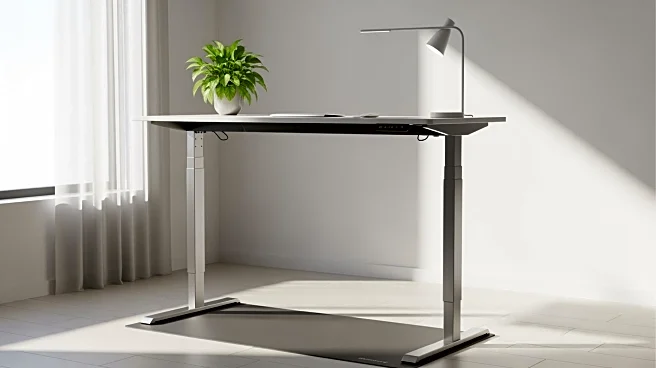




Standing desks have become a popular choice in modern workplaces, touted for their potential health benefits. While they are believed to reduce sedentary time and alleviate back pain, the evidence supporting these claims is mixed. This article delves into the health impacts of standing desks, examining both the benefits and the ongoing debates.
Potential Health Benefits
Standing desks are often promoted as a healthier alternative to traditional seated desks. The ability to switch
between sitting and standing positions is said to reduce the amount of time spent sitting during the workday. This reduction in sedentary behavior is thought to decrease the risk of developing low back pain, a common issue among office workers.
Research suggests that sit-stand workstations may be effective in reducing sitting time by 30 minutes to two hours per working day. This change in posture is believed to contribute to better musculoskeletal comfort and potentially improve productivity. However, the quality of evidence supporting these benefits is low, and more research is needed to establish definitive conclusions.
Debates and Challenges
Despite the potential benefits, standing desks are not without controversy. The long-term health effects of using standing desks remain a subject of debate, with some experts questioning their efficacy compared to other workplace interventions. There is no international consensus on the recommended levels of sitting and standing while at work, leading to varied practices across different countries.
Critics argue that while standing desks may reduce sitting time initially, this reduction may decrease over time as employees revert to old habits. Additionally, standing for prolonged periods can lead to discomfort and fatigue, potentially negating the benefits of reduced sitting. As such, the implementation of standing desks requires careful consideration of individual needs and workplace dynamics.
The Future of Workplace Health
As the conversation around workplace health continues, standing desks remain a focal point in discussions about improving employee well-being. While they offer a promising solution to reduce sedentary time, their effectiveness depends on proper usage and integration into daily routines. Employers are encouraged to provide education and support to help employees make the most of their standing desks.
Ultimately, the decision to use a standing desk should be based on personal preference and comfort. As more research emerges, the understanding of the health impacts of standing desks will continue to evolve, shaping the future of workplace design and employee health strategies.