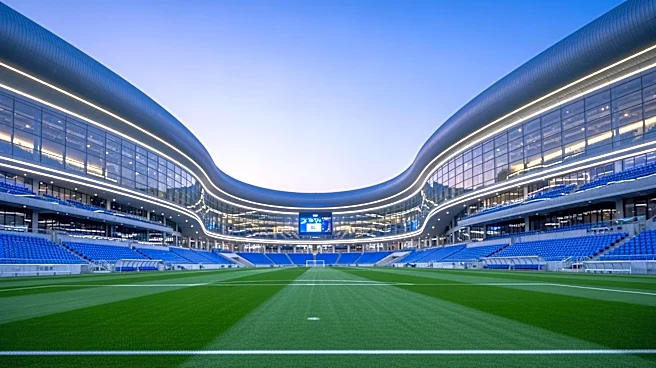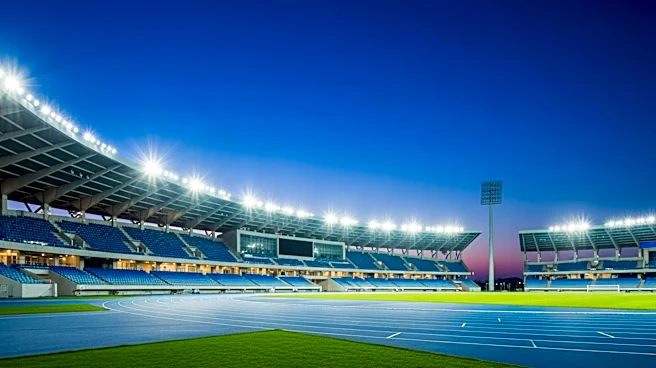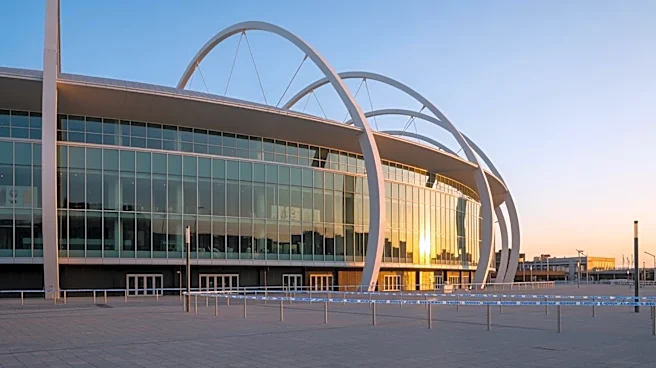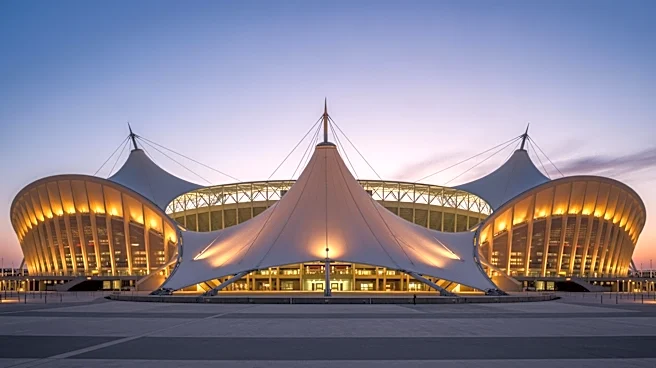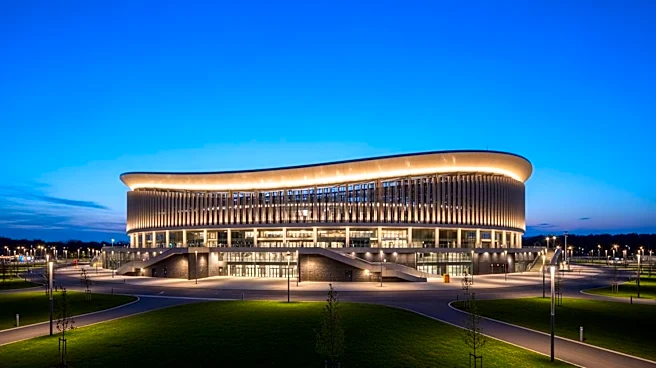

The Mordovia Arena in Saransk, Russia, was initially constructed to host matches for the 2018 FIFA World Cup. However, its role has evolved significantly since then. Today, the arena serves as a community
hub, offering a space for sports, leisure, and cultural activities. This transformation highlights the stadium's adaptability and its importance to the local community.
World Cup Legacy
The Mordovia Arena was one of the venues for the 2018 FIFA World Cup, hosting four group-stage matches. This event brought international attention to Saransk and showcased the city's ability to host large-scale sporting events. The stadium's design, inspired by the sun, was a nod to the cultural heritage of the Mordvin people, adding a unique touch to the World Cup experience.
During the World Cup, the arena had a seating capacity of 45,015, accommodating thousands of fans from around the world. The event was a significant milestone for Saransk, putting it on the global map and boosting its profile as a host city. The successful hosting of the World Cup matches demonstrated the city's organizational capabilities and its potential for future events.
Transition to a Community Center
Following the World Cup, the Mordovia Arena underwent a transformation to become a community center. The seating capacity was reduced to 28,000 to better suit local needs and ensure the stadium's sustainability. This change was part of a broader plan to repurpose the arena for various community activities.
Today, the Mordovia Arena is a hub for sports, leisure, and cultural events. It hosts local football matches, cultural festivals, and other community gatherings. The stadium's central location in Saransk makes it easily accessible, encouraging community participation and engagement. This transition from a World Cup venue to a community center reflects the arena's adaptability and its ongoing relevance to the people of Saransk.
A Model for Future Venues
The transformation of the Mordovia Arena serves as a model for other cities looking to repurpose large sports venues. By adapting the stadium to meet local needs, Saransk has ensured that the arena remains a vital part of the community. This approach not only maximizes the use of the facility but also fosters a sense of community pride and ownership.
As Saransk continues to grow, the Mordovia Arena will likely play an increasingly important role in the city's cultural and social life. Its evolution from a World Cup venue to a community hub demonstrates the potential for sports facilities to serve broader community purposes, providing a blueprint for future developments.