
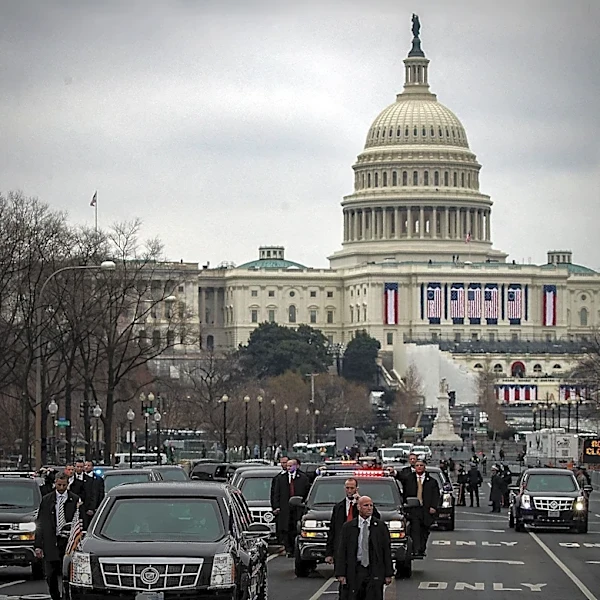







The United States Secret Service is renowned for its dual mission of protection and investigation. This article delves into the protective aspect of the agency, which is tasked with ensuring the safety of the nation's highest elected leaders and other key figures. The Secret Service's protective mission is a cornerstone of its operations, reflecting its commitment to national security.
Protecting the Nation's Leaders
The Secret Service's protective mission is primarily focused on safeguarding
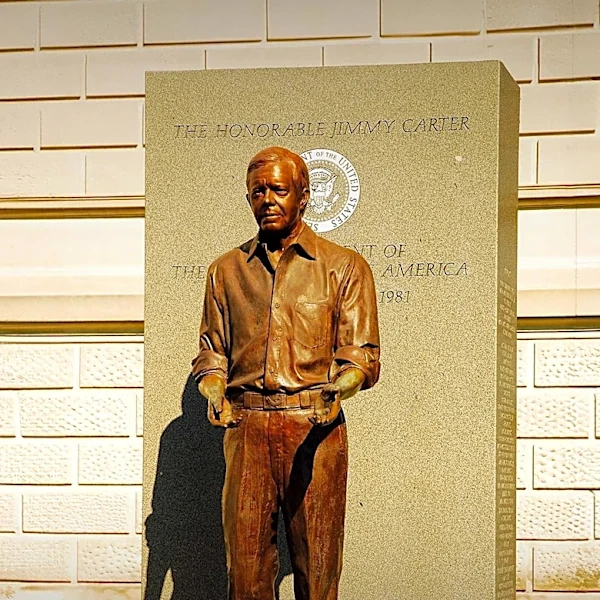
the president, vice president, and their immediate families. This responsibility was formally assigned to the agency following the assassination of President William McKinley in 1901. Since then, the Secret Service has been at the forefront of protecting the nation's leaders from potential threats. The agency's mandate extends to former presidents and their spouses, as well as major presidential and vice-presidential candidates and their spouses during election periods.
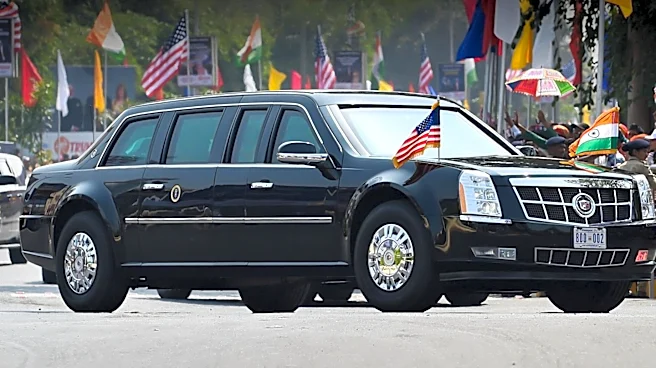
In addition to these primary protectees, the Secret Service also provides security for visiting foreign heads of state and government. This aspect of the mission underscores the agency's role in maintaining diplomatic relations and ensuring the safety of international dignitaries while they are on U.S. soil. The Secret Service's protective efforts are comprehensive, involving coordination with state and local law enforcement agencies to ensure seamless security operations.
National Special Security Events
The Secret Service is the lead agency responsible for planning and implementing security operations for events designated as National Special Security Events (NSSE). These events, which include presidential inaugurations and major international summits, require extensive security measures to prevent any incidents. The agency's role in these events highlights its expertise in managing large-scale security operations and its ability to adapt to various security challenges.
The Secret Service's protective mission is supported by its Intelligence Division, which conducts threat assessments and advance work to identify potential risks. This proactive approach is crucial in preventing incidents before they occur, ensuring the safety of protectees and the public during high-profile events.
The Role of Protective Intelligence
Protective intelligence is a critical component of the Secret Service's protective mission. The agency investigates thousands of incidents each year involving threats against the president and other protectees. This investigative work is essential in identifying and mitigating potential threats, allowing the Secret Service to maintain a high level of security.
The agency's protective intelligence efforts are complemented by its partnerships with other law enforcement agencies. These collaborations enhance the Secret Service's ability to gather and analyze information, providing a comprehensive approach to threat assessment and management. Through these efforts, the Secret Service continues to fulfill its protective mission, ensuring the safety of the nation's leaders and maintaining public confidence in its capabilities.