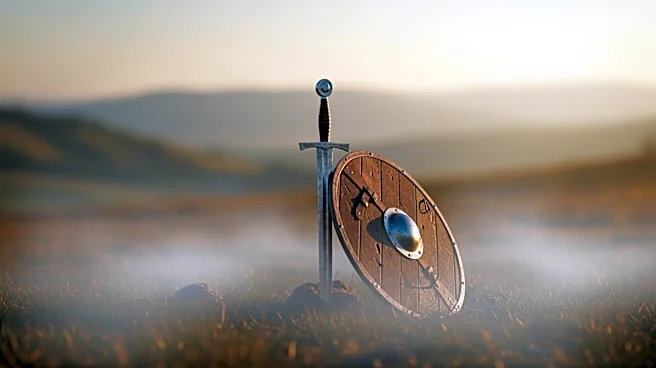







Released in 1995, "Braveheart" is an epic historical war drama directed by Mel Gibson, who also stars as the lead character, William Wallace. The film portrays the story of Wallace, a Scottish warrior who led his countrymen in the First War of Scottish Independence against King Edward I of England. Upon its release, "Braveheart" was met with both critical acclaim and commercial success, leaving a lasting impact on audiences and the film industry.
The Film's Release
"Braveheart" premiered at the Seattle International Film Festival on May 18, 1995, and was released widely in U.S. cinemas six days later. The film was distributed by Paramount Pictures in the United States and Canada, while 20th Century Fox handled distribution in other countries. Despite some initial skepticism about its historical accuracy, the film quickly gained popularity for its intense battle scenes, compelling storytelling, and strong performances.
The film's release was a significant event in the mid-1990s cinema landscape. It was a time when epic historical dramas were gaining traction, and "Braveheart" stood out for its ambitious scope and emotional depth. The film's success was further bolstered by its impressive box office performance, grossing $75.5 million in the United States and Canada and $133.5 million in other territories, totaling $209 million worldwide.
Cultural and Critical Reception
Critically, "Braveheart" was praised for its sweeping action sequences and the emotional weight of its narrative. Mel Gibson's direction and performance were particularly highlighted, earning him the Academy Award for Best Director. The film's depiction of the Battle of Stirling was noted as one of the best battle scenes in cinema history, showcasing Gibson's ability to blend action with storytelling.
However, not all reviews were positive. Some critics pointed out the film's historical inaccuracies and accused it of being overly violent. Despite these criticisms, "Braveheart" resonated with audiences, who were captivated by its themes of freedom and resistance against oppression. The film's impact was further solidified when it won five Academy Awards, including Best Picture.
Lasting Influence
Beyond its immediate success, "Braveheart" had a lasting influence on both the film industry and popular culture. It sparked renewed interest in Scottish history and inspired a wave of epic historical films in the years that followed. The film's portrayal of William Wallace as a symbol of freedom and defiance against tyranny resonated with audiences worldwide, contributing to its enduring legacy.
In addition to its cultural impact, "Braveheart" also influenced the film industry by setting a new standard for epic historical dramas. Its success demonstrated the potential for films of this genre to achieve both critical acclaim and commercial success, paving the way for future projects with similar themes and scope.