




The French Quarter, also known as the Vieux Carré, is the oldest neighborhood in New Orleans, Louisiana. Its rich history and unique architecture make it a fascinating subject for exploration. From its founding in the early 18th century to its status as a National Historic Landmark, the French Quarter has undergone significant changes that reflect the broader historical shifts in New Orleans.
Early Beginnings and French Influence
The French Quarter's history dates back to 1718 when New
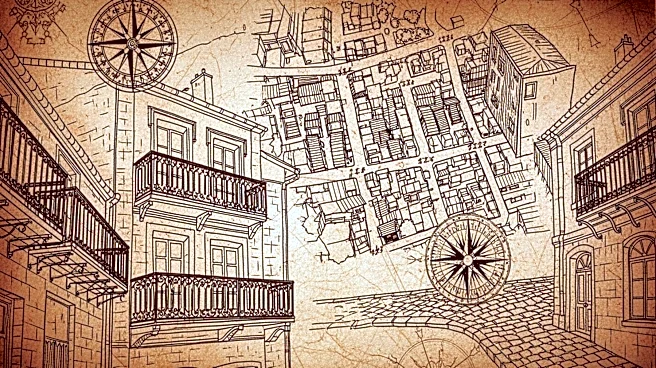
Orleans was founded by Jean-Baptiste Le Moyne de Bienville. The city developed around a central square known as the Vieux Carré, which means 'Old Square' in French. This area was the heart of the city and was designed by the royal engineer Adrien de Pauger in 1721. He named the streets after French royal houses and Catholic saints, reflecting the French influence on the city's early development.
In 1763, following the Seven Years' War, New Orleans was ceded to the Spanish. This transition marked the beginning of a new architectural era for the French Quarter. The Great New Orleans Fire of 1788 and another in 1794 destroyed much of the original French colonial architecture. The Spanish rebuilt the area with new fire codes, replacing wooden structures with fire-resistant brick covered in stucco, painted in pastel hues.
American Influence and Cultural Shifts
The Louisiana Purchase in 1803 brought New Orleans under American control, leading to significant cultural and demographic changes. Anglophone Americans began moving into the city, primarily settling upriver from the French Quarter. This influx of Americans created a cultural divide, with the French Quarter remaining predominantly French-speaking Creole.
During the 19th century, New Orleans became a major port city, with its economy heavily reliant on cash crops like sugar and cotton. The wealth generated from these industries transformed New Orleans into the third-largest metropolis in the United States by 1840. The French Quarter, however, began to lose its status as the city's fashionable district, as many Creoles moved uptown.
Preservation and Modern Challenges
In the early 20th century, the French Quarter's cheap rents attracted a bohemian artistic community, sparking the first preservation efforts. The Vieux Carré Commission was established in 1925 to protect the district's historic character. Despite challenges such as the proposed Riverfront Expressway in the 1960s, preservationists successfully fought to maintain the French Quarter's integrity.
Today, the French Quarter is a vibrant mix of residential, commercial, and tourist areas. It remains a testament to the city's rich history and cultural diversity. The district's unique blend of French, Spanish, and American influences continues to attract visitors from around the world, eager to experience its historic charm and lively atmosphere.