




Operation Overlord, the Allied invasion of Normandy in June 1944, was a pivotal moment in World War II. While the ground forces are often the focus of historical accounts, the air war played a crucial role in the success of the operation. This article delves into the strategic significance and execution of the air war during Operation Overlord, highlighting the efforts to achieve air superiority and support the ground invasion.
Achieving Air Superiority
Before the D-Day landings
on June 6, 1944, the Allied air forces undertook extensive preparations to ensure air superiority over Normandy. This involved bombing German supply lines, artillery batteries, and supporting the French Resistance with ammunition and equipment. The goal was to weaken German defenses and disrupt their ability to counter the invasion effectively.
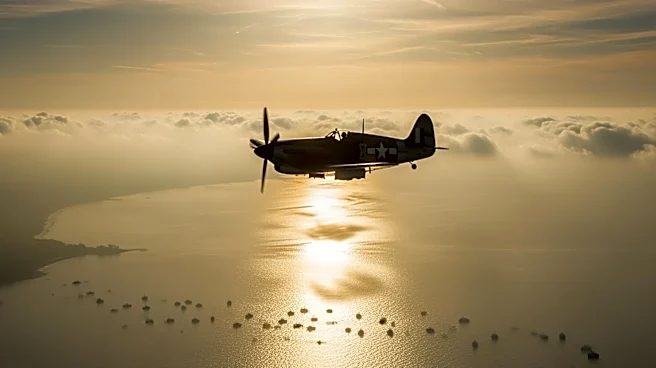
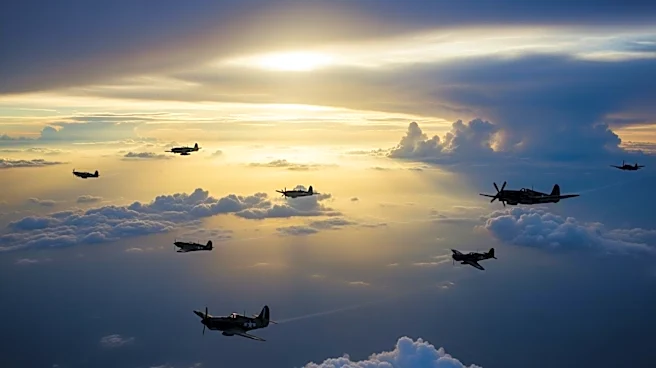
On D-Day itself, Allied fighters secured the airspace over the landing area, while bomber squadrons targeted German positions in the hinterland. The air forces also searched the sea for German submarines to protect the Armada and supply ships. The Germans, expecting a landing at the Strait of Calais, were caught off guard and could only muster a few fighter planes on D-Day.
Supporting Ground Operations
After D-Day, the Allied air forces continued to support ground offensives with concentrated bombing. Fighter-bombers searched Normandy for German troop units, strafing them to prevent their use against land forces. The German air force struggled to counter the Allied air superiority and the advance on the ground.
The Allies faced challenges, such as bad weather causing delays, but the scale of forces deployed was unprecedented. The loss of almost 17,000 Allied aircrew in less than three months marked the highest human and material sacrifice in the history of the air war. Despite these challenges, the air forces fulfilled their tasks, contributing significantly to the success of Operation Overlord.
The Impact of Air Superiority
The air war during Operation Overlord was a decisive factor in the Allied victory. The ability to control the skies allowed the Allies to protect their ground forces and supply lines, while disrupting German movements and communications. The German Wehrmacht hoped to repel the invasion with "wonder weapons" like "Blitzbombers" and jet fighters, but these were not used effectively.
The failure of the German air force to decisively counter the Allied superiority highlighted the importance of air power in modern warfare. The air war during Operation Overlord demonstrated the strategic value of achieving air superiority, paving the way for the liberation of France and the eventual defeat of Nazi Germany.