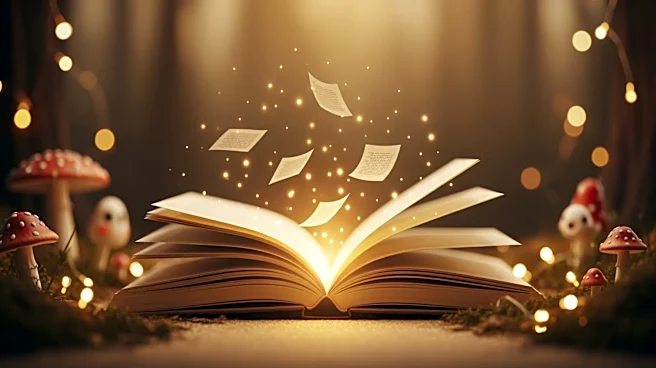







Fairy tales have captivated audiences for centuries, evolving from oral traditions to become a staple of literary culture. These stories, often filled with magical elements and fantastical creatures, have roots in ancient folklore and have been shaped by various cultural influences over time. Understanding the historical development of fairy tales provides insight into how these narratives have transformed and endured through the ages.
Origins in Oral Tradition
The origins
of fairy tales can be traced back to oral storytelling traditions, where tales were passed down through generations. These stories were often shared in communal settings, serving as entertainment and a means of preserving cultural values. The oral nature of these tales allowed them to evolve, with storytellers adding their own embellishments and variations. This fluidity contributed to the rich tapestry of fairy tales that we recognize today.
During the Renaissance, writers began to document these oral stories, marking a significant shift in the preservation of fairy tales. Figures like Giovanni Francesco Straparola and Giambattista Basile played pivotal roles in this transition, collecting and publishing tales that had previously existed only in oral form. Their work laid the foundation for the literary fairy tale genre, allowing these stories to reach wider audiences and gain permanence in written literature.
The Rise of Literary Fairy Tales
The late 17th century saw the emergence of literary fairy tales, a genre characterized by stories written by identifiable authors. Madame d'Aulnoy is credited with coining the term "fairy tale" (conte de fée) during this period, as she and other writers began crafting tales that incorporated elements of magic and fantasy. These literary fairy tales often drew inspiration from existing folklore, blending traditional motifs with the authors' creative interpretations.
The Brothers Grimm and Charles Perrault were instrumental in popularizing fairy tales in the 19th century. Their collections of stories, such as "Grimm's Fairy Tales" and "Tales of Mother Goose," became classics, influencing the perception and dissemination of fairy tales across Europe. These works not only preserved the tales but also shaped the way they were told, often adapting them to suit contemporary tastes and moral values.
Modern Interpretations and Adaptations
In the modern era, fairy tales continue to evolve, with authors and filmmakers reimagining these stories for new audiences. The genre has expanded to include diverse interpretations, from feminist retellings to multicultural adaptations. This ongoing transformation reflects the enduring appeal of fairy tales and their ability to resonate with people across different cultures and generations.
Fairy tales have also found a place in popular culture, with adaptations in film, television, and literature. Disney's animated films, for example, have brought classic fairy tales to life, introducing them to global audiences and solidifying their status as cultural icons. These adaptations often emphasize themes of hope, resilience, and the triumph of good over evil, ensuring that fairy tales remain relevant and cherished in contemporary society.