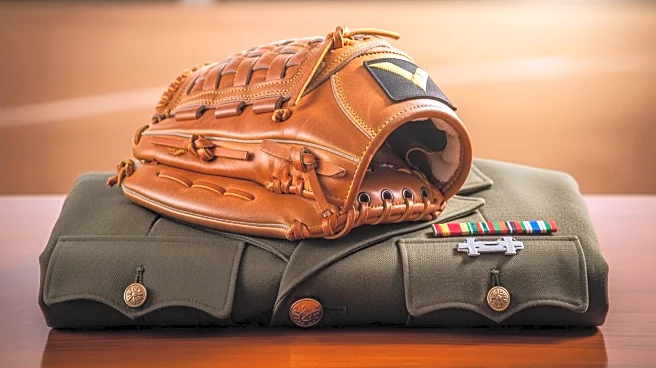

Monte Irvin's journey to baseball stardom was interrupted by his service in the United States Army during World War II. This period of his life not only shaped his character but also influenced his career
in baseball. Irvin's military service is a significant chapter in his story, highlighting the challenges and resilience that defined his path to success.
Military Service During World War II
In 1942, Monte Irvin's promising baseball career was put on hold as he was drafted into military service. Joining the army's GS Engineers, 1313th Battalion, Irvin was deployed to England, France, and Belgium, where he served in the Battle of the Bulge. This experience was transformative, exposing him to the harsh realities of war and the complexities of racial dynamics within the military.
Irvin noted that while many black soldiers faced discrimination from their white counterparts, the situation improved as the war progressed. The contradiction of sending oppressed soldiers to fight for the freedom of others became apparent, leading to a shift in attitudes. Despite the challenges, Irvin's service left him with a sense of duty and resilience that would later influence his approach to baseball.
Return to Baseball
After three years of military service, Monte Irvin returned to baseball, but the transition was not immediate. Brooklyn Dodgers executive Branch Rickey approached him about joining the major leagues, but Irvin felt unprepared for the demands of MLB so soon after leaving the service. Instead, he returned to the Newark Eagles, where he continued to excel.
Irvin's return to baseball was marked by success in the Puerto Rican Winter League, where he earned MVP honors. His performance in the Negro leagues was equally impressive, leading the Eagles to a league pennant and winning his second batting championship. These achievements paved the way for his entry into MLB with the New York Giants in 1949.
Impact on Baseball Career
Monte Irvin's military service had a lasting impact on his baseball career. The discipline and resilience he developed during the war translated into his approach to the game. Irvin's ability to overcome adversity and excel in challenging situations was evident throughout his career.
His contributions to baseball were recognized with his induction into the Baseball Hall of Fame in 1973. Irvin's story is a reflection of the broader narrative of athletes who served in the military, highlighting the intersection of sports and service. Monte Irvin's journey from military service to baseball stardom is a testament to his character and the enduring impact of his experiences during World War II.