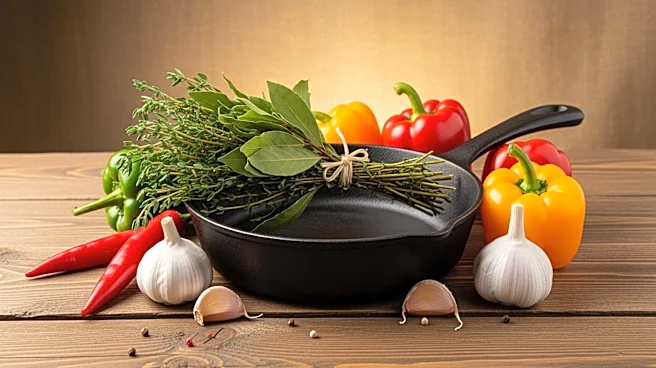



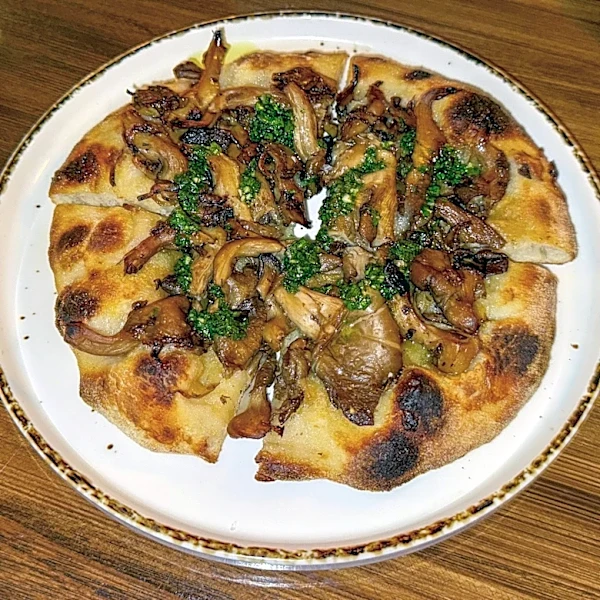



Italian cuisine is renowned for its emphasis on fresh, high-quality ingredients. The simplicity of Italian dishes allows the natural flavors of these ingredients to shine, making them the cornerstone of the country's culinary traditions. From the fertile plains of the north to the sun-drenched coasts of the south, Italy's diverse landscape provides a rich bounty of ingredients that define its cuisine.
The Foundation of Italian Cooking
At the heart of Italian cuisine is the Mediterranean
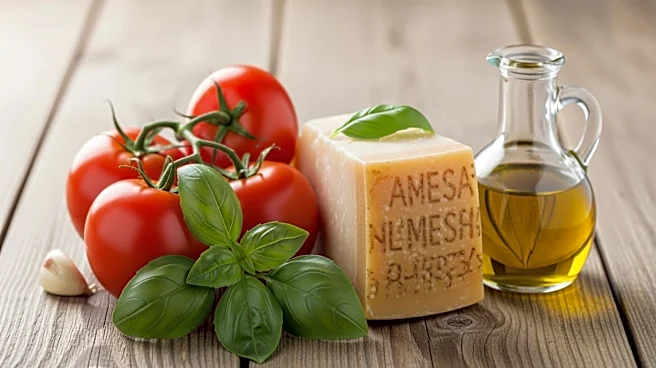
diet, which emphasizes the use of fresh fruits, vegetables, grains, and olive oil. These ingredients form the foundation of many Italian dishes, providing both flavor and nutritional value. Olive oil, in particular, is a staple in Italian cooking, used for everything from sautéing vegetables to dressing salads.
Tomatoes are another essential ingredient in Italian cuisine, especially in the south where they thrive in the warm climate. They are used in a variety of dishes, from pasta sauces to salads, and are celebrated for their sweet, tangy flavor. The introduction of tomatoes from the New World in the 16th century revolutionized Italian cooking, becoming a defining element of the cuisine.
Regional Specialties and Ingredients
Italy's diverse regions each boast their own unique ingredients, contributing to the country's rich culinary tapestry. In the north, dairy products like cheese and butter are prevalent, reflecting the region's agricultural heritage. Parmigiano Reggiano and Gorgonzola are just two examples of the many cheeses that hail from this area, adding depth and richness to northern Italian dishes.
In contrast, southern Italy is known for its use of seafood, olives, and citrus fruits. The coastal regions provide an abundance of fresh fish and shellfish, which are often grilled or used in pasta dishes. Olives and olive oil are integral to the cuisine, adding a distinct flavor to many southern Italian recipes.
The Importance of Seasonality
Seasonality plays a crucial role in Italian cooking, with chefs and home cooks alike prioritizing ingredients that are in season. This focus on seasonal produce ensures that dishes are fresh and flavorful, capturing the essence of each ingredient at its peak. From springtime asparagus to autumn truffles, the changing seasons bring a variety of ingredients that inspire Italian cooks.
The role of ingredients in Italian cuisine cannot be overstated. They are the building blocks of the country's culinary traditions, shaping the flavors and dishes that have become beloved worldwide. By celebrating the natural bounty of Italy, Italian cuisine continues to captivate and delight food lovers around the globe.