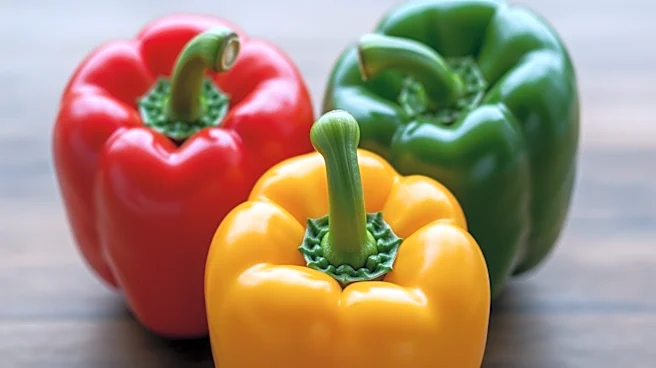







Bell peppers, also known as sweet peppers, are a vibrant and versatile fruit from the Capsicum annuum species. Known for their mild flavor and lack of spiciness, bell peppers come in a variety of colors, each offering unique culinary possibilities. While they are botanically classified as fruits, they are commonly used as vegetables in cooking. This article delves into the colorful spectrum of bell peppers and their diverse uses in the kitchen.
A Spectrum of Colors
Bell
peppers are available in a range of colors, including red, yellow, orange, green, white, and purple. The color of a bell pepper is not just a visual trait but also an indicator of its ripeness and flavor profile. Green bell peppers are typically unripe, offering a slightly bitter taste, while red bell peppers are fully ripened and have a sweeter flavor. The transition from green to red involves a change in the pepper's nutritional content, with red peppers containing more vitamin C and vitamin A than their green counterparts.
The variety of colors in bell peppers is due to different cultivars of the plant. Some peppers, like the 'Permagreen' variety, remain green even when fully ripe. This diversity in color allows for creative culinary presentations, as mixed-colored peppers can be used to add visual appeal to dishes.
Culinary Uses
In the culinary world, bell peppers are celebrated for their versatility. They are commonly used in salads, providing a crisp texture and a burst of color. Bell peppers are also popular as pizza toppings, adding a sweet and mild flavor that complements other ingredients. One of the most popular ways to prepare bell peppers is by stuffing them. Stuffed peppers can be filled with a variety of ingredients, such as rice, meat, or cheese, and then baked to create a hearty and flavorful dish.
Bell peppers are also used in the production of paprika, a spice made from dried and ground peppers. This spice is a staple in many cuisines, adding color and flavor to a wide range of dishes.
Nutritional Benefits
Beyond their culinary uses, bell peppers are a nutritious addition to any diet. They are low in calories and high in water content, making them a hydrating snack. Bell peppers are an excellent source of vitamin C, with red peppers providing 158% of the daily value per 100 grams. They also contain moderate amounts of vitamin A, vitamin B6, riboflavin, folate, and vitamin E.
The nutritional benefits of bell peppers make them a valuable ingredient for those looking to boost their intake of essential vitamins and minerals. Whether enjoyed raw, cooked, or as a spice, bell peppers offer a delicious and healthful addition to meals.