







Teething is a significant milestone in an infant's development, marking the emergence of their first set of teeth. This process, while natural, can be a source of discomfort and distress for both infants and their caregivers. Understanding the biological mechanisms and common symptoms associated with teething can help parents better manage this challenging phase.
The Biological Process of Teething
Teething begins when an infant's first teeth, known as deciduous or baby teeth, start
to emerge through the gums. This typically occurs between six and ten months of age, although it can start as early as three months. The first teeth to appear are usually the mandibular central incisors, followed by the upper central incisors. The process continues until all 20 primary teeth have emerged, which can take several years.
Contrary to the common phrase "cutting teeth," the teeth do not actually cut through the gums. Instead, hormones are released in the body that cause certain cells in the gums to die and separate, allowing the teeth to emerge. This natural process is essential for the proper development of an infant's mouth and jaw.
Common Symptoms and Challenges
Teething can cause a variety of symptoms that may vary in intensity from one infant to another. Common signs include drooling, increased chewing, irritability, and swollen gums. Some infants may also experience mood changes, sleeplessness, and mild fever. The discomfort is often more pronounced with the eruption of molars, as these larger teeth do not penetrate the gums as easily as incisors.
In some cases, a fluid-filled area may develop over the erupting tooth, making the gums even more sensitive. Infants may also pull on their ears, as the pain from teething can radiate throughout the head. While these symptoms are generally manageable, persistent or severe symptoms should be discussed with a healthcare provider.
Managing Teething Discomfort
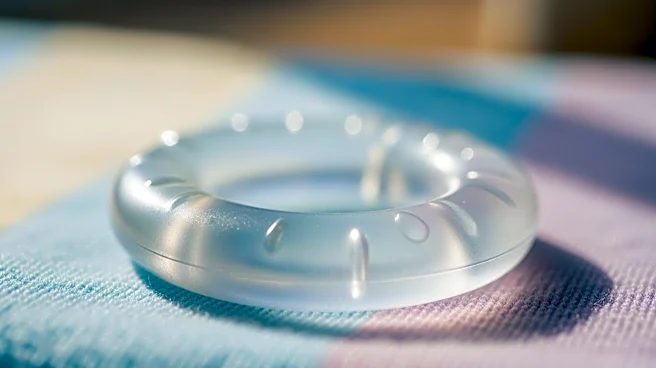
There are several strategies that caregivers can use to alleviate teething discomfort. Providing infants with teethers or chew toys can help relieve pressure on the gums. These items are often made of silicone, wood, or rubber and may be chilled to provide additional soothing effects. However, teething necklaces and bracelets are not recommended due to choking hazards.
In cases of significant pain, some doctors may recommend child-safe pain relief medications. However, it is important to use these treatments cautiously and under medical guidance to avoid potential side effects. Overall, while teething can be a challenging time, understanding the process and symptoms can help caregivers provide the necessary comfort and support to their infants.