


Sautéing is a popular cooking method that involves cooking food quickly in a small amount of oil over high heat. While it shares similarities with other cooking techniques like pan frying and searing, sautéing has distinct characteristics that set it apart. This article explores the differences between sautéing and other cooking methods, highlighting the unique aspects of each.
Sautéing vs. Pan Frying
Pan frying is often compared to sautéing due to the use of oil and high
heat. However, there are key differences between the two. In pan frying, larger pieces of food, such as chops or steaks, are cooked quickly in oil or fat and flipped onto both sides. The depth of the oil used can vary, and some cooks make a distinction between pan frying and sautéing based on this factor.
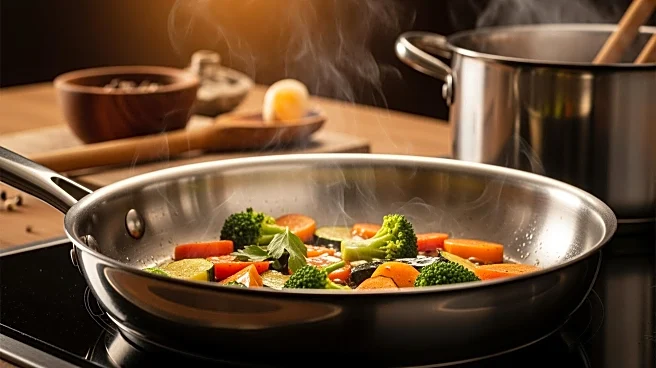
Sautéing, on the other hand, involves cooking smaller pieces of food that are usually cut into small pieces or thinly sliced. This provides a larger surface area for fast cooking. The primary mode of heat transfer in sautéing is conduction, which allows the food to brown while preserving its texture, moisture, and flavor. Unlike pan frying, sautéing requires constant movement of the ingredients in the pan to prevent stewing and promote the development of fond.
Sautéing vs. Searing
Searing is another cooking method that is often confused with sautéing. Searing involves browning the surface of the food at high temperatures, usually to create a crust before finishing the cooking process using another method. While both sautéing and searing use high heat, the main difference lies in the purpose and outcome.
Sautéing aims to cook the food quickly while preserving its moisture and flavor. It involves constant movement of the ingredients in the pan to ensure even cooking. Searing, on the other hand, focuses on browning the surface of the food to create a flavorful crust. The food is typically not moved around in the pan during searing, as the goal is to achieve a uniform crust.
Sautéing vs. Stir-Frying
Stir-frying is a cooking method that is similar to sautéing but involves cooking food in a wok with constant stirring. Stir-frying requires very high temperatures and continuous movement of the food to prevent it from adhering to the cooking surface and burning. While both methods use high heat and small amounts of oil, stir-frying is typically faster and involves more vigorous movement.
Sautéing, in contrast, allows for more control over the cooking process. The ingredients are moved around in the pan using a utensil or by jerking the pan itself. This method is ideal for achieving a balance between browning and preserving the food's moisture and flavor.
In summary, while sautéing shares similarities with other cooking methods, it has unique characteristics that make it a versatile and effective technique. Understanding the differences between these methods can help cooks choose the best approach for their culinary creations.