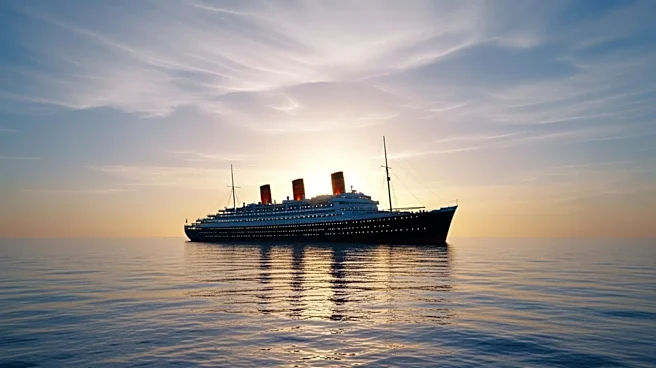






The RMS Carpathia is often remembered for its heroic rescue of Titanic survivors, but its history and significance extend far beyond that single event. Built by C. S. Swan & Hunter in Wallsend, England, Carpathia was a transatlantic passenger steamship that served the Cunard Line from 1903 until its sinking in 1918. Throughout its service, Carpathia played a vital role in transatlantic travel and wartime efforts, leaving a lasting legacy in maritime
history.
Early Years and Transatlantic Service
Carpathia made its maiden voyage on May 5, 1903, from Liverpool to Boston. Initially designed to cater to immigrant travelers, the ship was not particularly fast but was known for its fuel efficiency and comfortable accommodations. Carpathia quickly gained a reputation for its stability in rough weather, making it a popular choice for both tourists and emigrants.
In 1904, Carpathia was transferred to Mediterranean service, transporting passengers between New York City and various Mediterranean ports. The ship underwent renovations in 1905, increasing its passenger capacity and adding first-class accommodations. By 1912, Carpathia could carry up to 2,450 passengers, with a crew of about 300 members.
Role in World War I
During World War I, Carpathia was repurposed to transport Canadian and American Expeditionary Forces to Europe. The ship's voyages were often conducted in convoy to protect against submarine attacks. Carpathia's service during the war was marked by its resilience and adaptability, as it continued to fulfill its duties despite the ongoing conflict.
In 1918, Carpathia was painted in wartime dazzle camouflage, a testament to its involvement in the war effort. The ship's contributions during this period highlight its importance beyond passenger travel, as it played a crucial role in supporting the Allied forces.
The Sinking and Legacy
On July 17, 1918, Carpathia was torpedoed by the German submarine U-55 off the southern Irish coast. Despite the loss of five crew members, the majority of those on board were rescued by nearby ships. Carpathia's sinking marked the end of its service, but its legacy lived on.
The ship's involvement in the Titanic rescue and its wartime service have cemented its place in maritime history. Carpathia's story is a reminder of the bravery and dedication of those who served on board, as well as the ship's enduring impact on transatlantic travel and global events.