
Squats are a versatile exercise with numerous variations, each offering unique benefits and challenges. These variations can target different muscle groups, improve balance, and enhance overall strength. Whether you're a beginner or an experienced lifter, understanding these squat variants can help diversify your workout routine and address specific fitness goals.
Barbell Squat Variations
The barbell squat is a classic form of the exercise, with several variations that cater
to different training needs. The back squat, where the barbell is positioned on the upper trapezius or rear deltoids, is popular in powerlifting and Olympic weightlifting. The high bar squat mimics the posture of the clean and jerk, while the low bar squat offers a lever advantage for heavier lifts.
Other barbell variations include the front squat, where the barbell is held across the clavicles and deltoids. This variation emphasizes the upper back and core muscles, providing a different challenge compared to the back squat. The hack squat, performed with the barbell behind the legs, and the overhead squat, with the barbell held overhead, further diversify the exercise's impact on muscle engagement.
Bodyweight and Single-Leg Squats
Bodyweight squats, or air squats, are performed without additional weight, often at higher repetitions. These squats are excellent for beginners and those focusing on endurance and mobility. Single-leg squats, such as the pistol squat, challenge balance and coordination, engaging stabilizer muscles more intensely than two-legged squats.
Single-leg squats can help correct muscle imbalances by ensuring each leg performs the same amount of work. Variations like the shrimp squat, where the non-working leg is bent behind the working leg, offer additional challenges and benefits. These exercises are particularly useful in rehabilitation programs, where avoiding heavy back loading is necessary.
Equipment-Assisted Squats
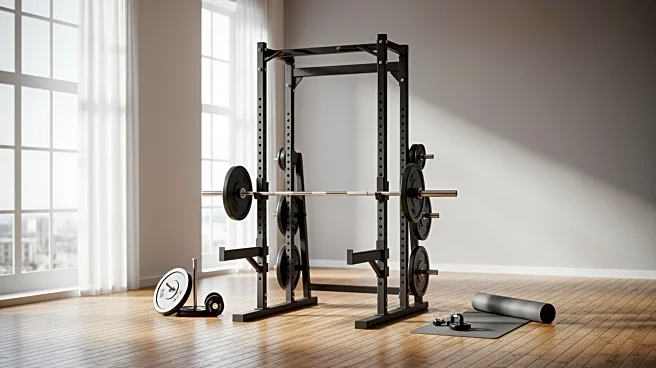
Various equipment can enhance squat performance and safety. The Smith machine, power cage, and monolift rack provide stability and reduce injury risk. Weight lifting belts increase intra-abdominal pressure, aiding in heavier lifts. Heeled shoes and shoe inserts allow for deeper squats, although some caution against their long-term use.
Innovative techniques like variable resistance squats use chains or elastic bands to alter resistance throughout the movement. This approach can increase difficulty in stronger phases and reduce it in weaker phases, promoting consistent effort and explosive power. These equipment-assisted squats offer a dynamic way to train and improve overall squat performance.