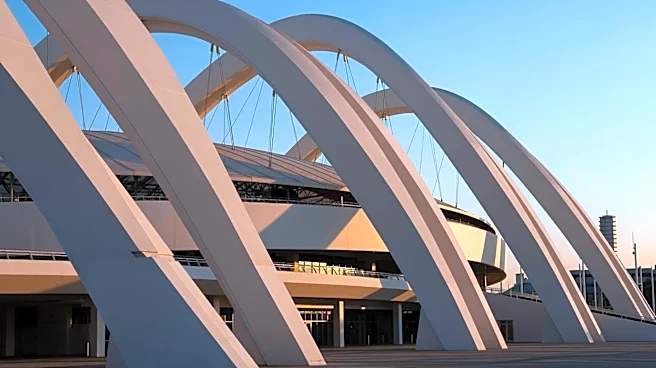



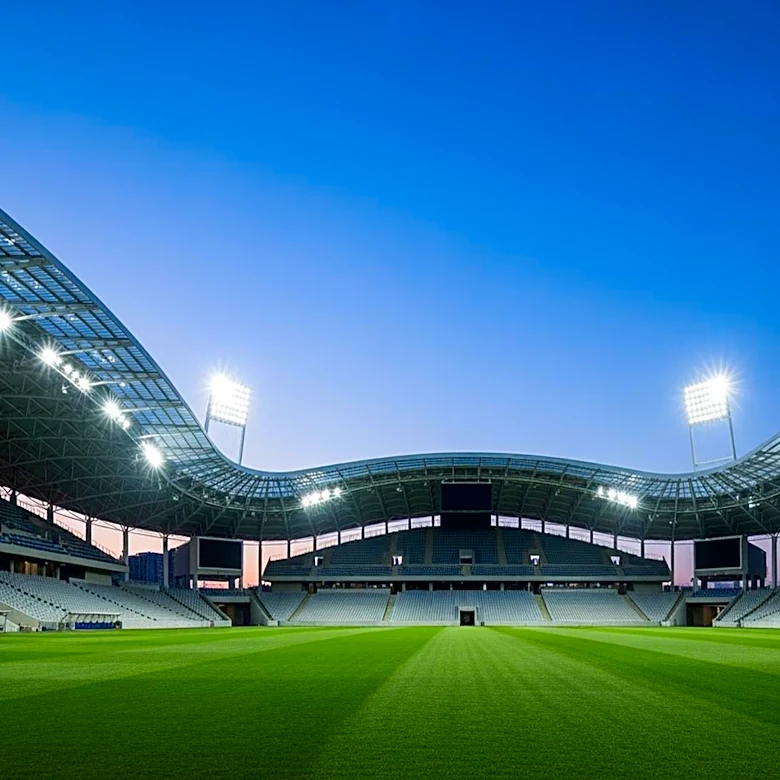




Stadio San Nicola, located in Bari, Italy, is not just a venue for football matches; it is an architectural masterpiece designed by the renowned architect Renzo Piano. This stadium stands out due to its unique design, which resembles a flower, making it a significant landmark in the world of sports architecture.
Design and Structure
The design of Stadio San Nicola is inspired by the natural form of a flower. This concept is brought to life through the stadium's structure,
which consists of 26 'petals.' These petals are not just aesthetic elements; they serve a functional purpose by creating upper tiers separated by 8-meter empty spaces. This separation is crucial for ensuring satisfactory security conditions during events, allowing for efficient crowd management and emergency access.
Renzo Piano's vision for the stadium was to create a space that was both beautiful and practical. The design allows for a capacity of 58,270 spectators, making it the third largest football stadium in Italy. Despite its size, the stadium maintains an intimate atmosphere, thanks to the thoughtful arrangement of seating and the open spaces between tiers.
Historical Significance
Stadio San Nicola was built in 1990, replacing the older Stadio della Vittoria as the home stadium for SSC Bari. Its construction was timed to coincide with the 1990 FIFA World Cup, during which it hosted several matches, including the third-place match between Italy and England. This event marked the stadium's debut on the international stage, showcasing its capacity to host large-scale events.
The stadium has since hosted numerous significant events, including the 1991 European Cup Final and the 1997 Mediterranean Games. These events have cemented Stadio San Nicola's reputation as a premier venue for international sports competitions, further highlighting its importance in the world of football.
Cultural Impact
Beyond its architectural and historical significance, Stadio San Nicola has become a cultural icon in Bari. It serves as a gathering place for locals and visitors alike, fostering a sense of community and pride. The stadium's design, which harmonizes with the surrounding landscape, reflects the city's appreciation for beauty and innovation.
The stadium's influence extends beyond sports, as it has hosted concerts and other cultural events, making it a versatile venue that contributes to the cultural vibrancy of Bari. Its presence in the city is a testament to the power of architecture to inspire and unite people, making Stadio San Nicola a true symbol of Bari's identity.