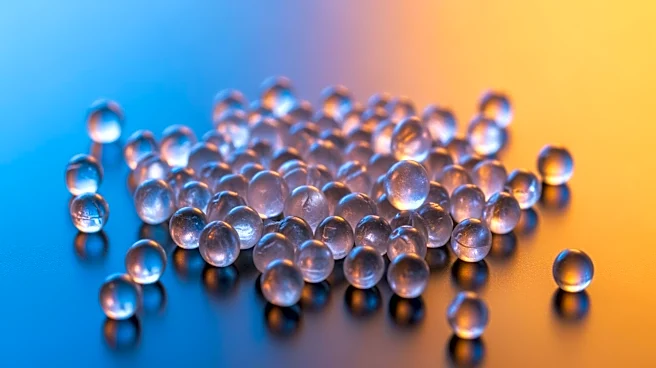

Polypropylene, often abbreviated as PP, is a thermoplastic polymer that has become a staple in various industries due to its versatile properties. Known for its high chemical resistance and mechanical
strength, polypropylene is the second-most widely produced plastic globally. This article delves into the unique characteristics of polypropylene and its wide range of applications, from packaging to textiles and beyond.
Properties of Polypropylene
Polypropylene is a member of the polyolefin group and is partially crystalline and non-polar. Its properties are similar to polyethylene, but it is slightly harder and more heat-resistant. This makes it a white, mechanically rugged material with high chemical resistance. The density of polypropylene is between 0.895 and 0.93 g/cm³, making it the commodity plastic with the lowest density. This low density allows for the production of lightweight molded parts, which is advantageous in many applications.
The thermal properties of polypropylene are also noteworthy. It has a melting point range of 130 to 171 °C, depending on its crystallinity and isotacticity. Below 0 °C, polypropylene becomes brittle, but it remains tough and flexible at higher temperatures, especially when copolymerized with ethylene. This flexibility allows polypropylene to be used as an engineering plastic, competing with materials like acrylonitrile butadiene styrene (ABS).
Applications in Various Industries
Polypropylene's resistance to fatigue makes it ideal for products like plastic living hinges, such as those found on flip-top bottles. It is also widely used in the manufacturing of piping systems, particularly those requiring high purity and strength. Its resistance to corrosion and chemical leaching, along with its resilience against physical damage, makes it a preferred material for plumbing and hydronic heating systems.
In the medical field, polypropylene is used for items that need to withstand the heat of an autoclave, such as certain medical and laboratory equipment. Its heat resistance also makes it suitable for consumer-grade kettles and food containers that undergo industrial hot filling processes. Additionally, polypropylene is used in the production of disposable bottles, plastic pails, and car batteries.
Environmental and Safety Considerations
Polypropylene is known for its environmental benefits, as it can be joined by heat fusion rather than gluing, reducing the need for potentially harmful adhesives. It is also used in the production of low-smoke, zero-halogen (LSZH) cables, which emit less smoke and no toxic halogens, making them safer for use in low-ventilation environments like tunnels.
Despite its many advantages, polypropylene is not without its challenges. It is susceptible to degradation from exposure to high temperatures and UV light, which can lead to cracking and crazing. However, the use of polymer stabilizers, UV-absorbing additives, and antioxidants can help mitigate these effects, extending the material's lifespan.
In conclusion, polypropylene's unique combination of properties makes it an invaluable material across a wide range of industries. Its versatility, coupled with ongoing advancements in its production and stabilization, ensures that polypropylene will continue to play a crucial role in modern manufacturing and product design.