




Stadium 974 in Doha, Qatar, played a significant role during the 2022 FIFA World Cup. As one of the eight stadiums used for the tournament, it was designed with a vision to avoid the pitfalls of underutilization that have plagued previous World Cup venues. This article explores the stadium's contribution to the World Cup and its intended legacy.
Hosting the World Cup
Stadium 974 was officially opened on November 30, 2021, and quickly became a landmark venue for the 2022
FIFA World Cup. It hosted seven matches during the tournament, including a notable Round of 16 match between Brazil and South Korea. With a capacity of 44,089, the stadium provided an intimate yet vibrant atmosphere for fans and players alike.
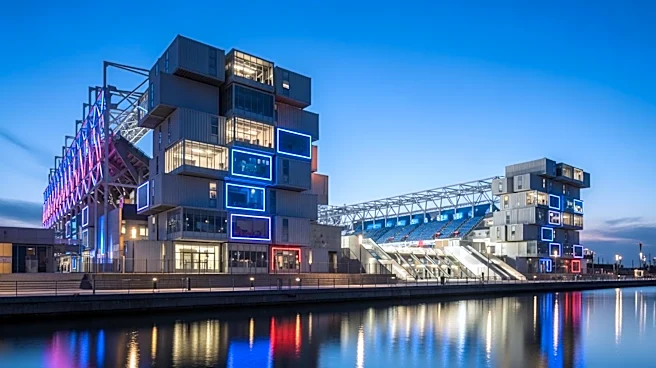
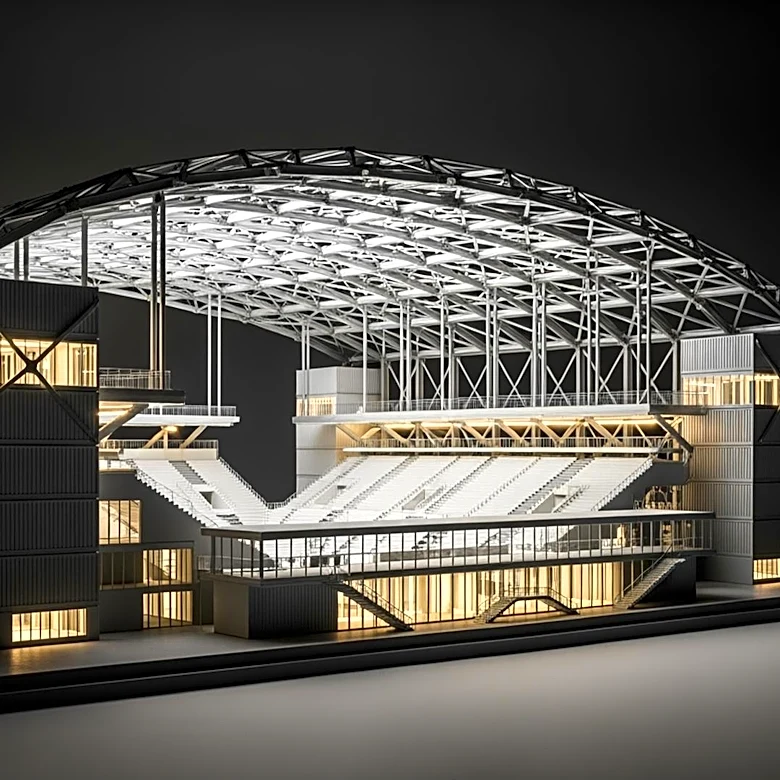
The stadium's design, which incorporated 974 shipping containers, was not only a nod to Qatar's international dialing code but also a practical solution to the challenges of hosting a major sporting event. The modular construction allowed for efficient assembly and disassembly, making it a standout feature among the World Cup venues.
A Plan for the Future
The original plan for Stadium 974 was to dismantle it after the World Cup and relocate it to another country, potentially in Africa or South America. This approach aimed to transform the site into a waterfront development, ensuring that the stadium would not become a "white elephant." However, as of 2025, the stadium remains in its original location, continuing to host events such as the 2024 FIFA Intercontinental Cup and the 2025 FIFA Arab Cup.
Despite the delay in its relocation, the stadium's ongoing use demonstrates its versatility and the success of its design. The concept of a temporary, modular stadium has garnered attention from event organizers and architects worldwide, highlighting the potential for sustainable and adaptable sports venues.
Challenges and Criticisms
While Stadium 974 was praised for its innovative design, it also faced criticism. Some activists argued that the focus on the stadium's sustainability overshadowed the environmental impact of the other seven World Cup venues in Qatar. Additionally, the stadium's carbon neutrality claims were questioned, as they relied on offsetting emissions through tree planting rather than using alternative energy sources.
Despite these challenges, Stadium 974 remains a symbol of forward-thinking design and planning. Its continued use and potential relocation highlight the importance of considering the long-term impact of major sporting events. As the world looks to the future of sustainable architecture, Stadium 974 serves as a model for balancing functionality, environmental responsibility, and legacy.