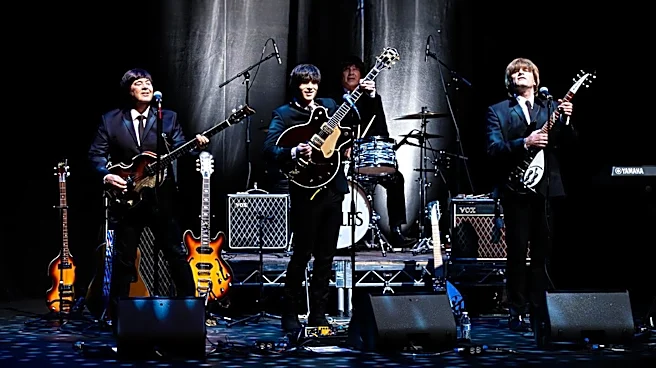






Blues rock is a dynamic fusion genre that emerged in the early 1960s, blending the raw emotion of blues with the energy of rock music. This genre has undergone significant transformations over the decades, influencing a wide array of musical styles and artists. From its beginnings in the United States and the United Kingdom, blues rock has left an indelible mark on the music industry, inspiring genres like hard rock, Southern rock, and even early heavy
metal.
The Birth of Blues Rock
Blues rock originated as rock musicians in the United States and the United Kingdom began to perform American blues songs. These musicians, including notable groups like the Rolling Stones, the Yardbirds, and the Animals, adapted electric Chicago blues songs, infusing them with faster tempos and a more aggressive sound typical of rock music. This new style quickly gained popularity, with several blues songs making their way into the pop charts.
In the United States, artists like Lonnie Mack, the Paul Butterfield Blues Band, and Canned Heat were among the earliest to embrace this genre. These bands often engaged in long, improvisational performances, a practice that was common in jazz music at the time. By the late 1960s and early 1970s, blues rock began to lean more towards hard rock, with bands like Johnny Winter, the Allman Brothers Band, and ZZ Top leading the charge in the U.S., while Led Zeppelin and others did the same in the U.K.
Characteristics of Blues Rock
Blues rock is characterized by its bluesy improvisation and extended boogie jams, often centered around electric guitar solos. The genre typically features a heavier, riff-oriented sound compared to traditional Chicago-style blues. Blues rock bands borrowed the concept of an instrumental combo and loud amplification from rock and roll, often playing at fast tempos to distinguish themselves from the blues.
Songs in this genre frequently follow typical blues structures, such as the twelve-bar blues, and utilize the I-IV-V chord progression. However, variations exist, with some pieces incorporating a "B" section or remaining on the I chord. The use of straight eighth-note or rock rhythms, as opposed to the triplets found in blues, is another defining feature of blues rock.
The Lasting Impact of Blues Rock
Blues rock has had a profound influence on the development of various music genres. It played a crucial role in shaping hard rock and early heavy metal, with bands like Led Zeppelin and the Jeff Beck Group pushing the boundaries of the genre. In the 1970s, American bands like Aerosmith and Southern rock groups such as Lynyrd Skynyrd continued to evolve the sound.
In the 1980s and beyond, blues rock saw a resurgence of traditional blues influences, with artists like Stevie Ray Vaughan and the Fabulous Thunderbirds gaining popularity. The genre's impact is still felt today, with modern musicians like Gary Clark Jr. and Joe Bonamassa continuing to draw inspiration from the rich legacy of blues rock.