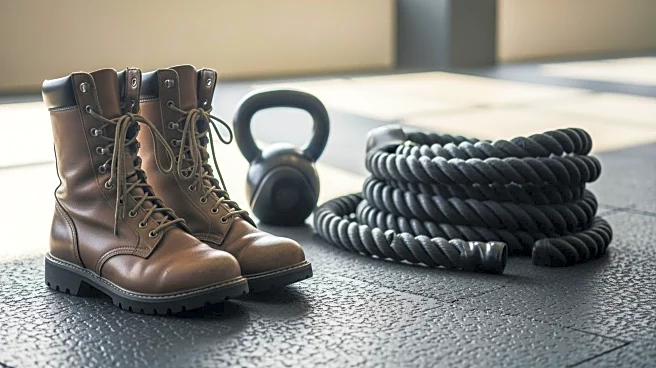




Fitness boot camps have become a popular way for people to engage in group physical training. These programs, often conducted by gyms or personal trainers, are designed to build strength and fitness through a variety of exercises. The concept of fitness boot camps has evolved over time, drawing inspiration from military training methods and adapting them for civilian use.
Historical Roots
The origins of fitness boot camps can be traced back to military training practices.
Military forces have long emphasized the importance of physical fitness, with organized athletic competitions dating back to the early 19th century. The term "boot camp" itself originates from the U.S. Navy and Marine recruits during the Spanish-American War, who wore leggings called boots. These recruits were trained in "boot" camps, a term that has since been adopted by the fitness industry.
In the late 19th century, military-style training was used in the United States to rehabilitate civilian prisoners and military prisoners. This approach laid the groundwork for the development of fitness boot camps as we know them today. The concept gained further traction in the 1960s with the publication of fitness plans by Dr. Bill Orban and U.S. Air Force Colonel Kenneth Cooper, which helped launch modern fitness culture.
Popularization and Growth
Fitness boot camps began to gain popularity in the United States in the late 1990s, with both indoor and outdoor workouts becoming common. These programs were independently developed in countries like Australia, the United Kingdom, and Canada, each adapting the concept to their local fitness cultures. By the 2000s, outdoor group fitness classes had become a distinct commercial market within the fitness industry.
The format of boot camp workouts often includes dynamic stretching, running, and a variety of interval training exercises. These sessions are designed to push participants beyond their usual limits, fostering camaraderie and team effort. The group dynamic is a key element, as it helps motivate individuals to achieve their fitness goals.
Modern Adaptations
Today, fitness boot camps continue to evolve, with many programs offering nutrition advice and incorporating elements like yoga stretching. The large group setting provides social support, making it an appealing option for those who find traditional gym workouts monotonous. Participants are often tested for fitness at the beginning and end of the camp, which typically runs for four to six weeks.
The boot camp format has also been adapted for television, with shows like "Boot Camp" and "Celebrity Fit Club" bringing the concept to a wider audience. As the fitness industry continues to grow, boot camps remain a popular choice for those seeking a challenging and supportive workout environment.