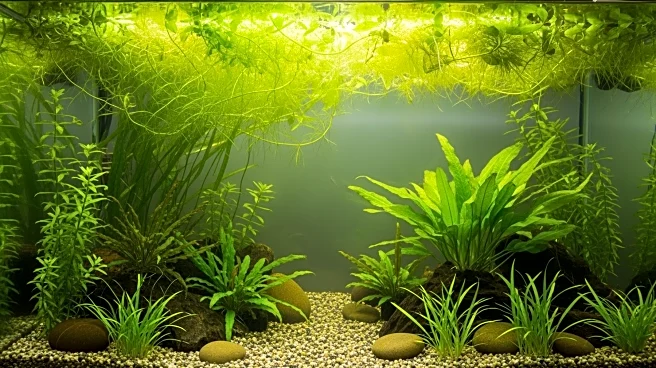

Keeping freshwater fish in an aquarium can be a rewarding hobby, but it requires an understanding of the specific care needs of different species. Each type of fish has its own requirements in terms of tank
size, water temperature, pH levels, and social behavior. This article explores the care requirements of some popular freshwater fish species, providing insights into how to create a thriving aquatic environment.
Tank Size and Environment
The size of the tank is a crucial factor in the health and well-being of aquarium fish. For instance, Corydoras catfish, such as the Barred-tail corydoras and the Skunk corydoras, are small fish that do not require large tanks. However, they do benefit from a well-planted environment with plenty of hiding spots to mimic their natural habitat.
On the other hand, larger fish like some cichlid species may require more space to accommodate their size and territorial nature. Providing adequate space is essential to prevent stress and aggression among tank mates. Additionally, the tank should be equipped with a filtration system to maintain water quality and reduce the buildup of harmful substances.
Water Temperature and pH Levels
Different fish species have varying preferences for water temperature and pH levels. For example, Corydoras catfish thrive in temperatures ranging from 70 to 75 °F and prefer a pH level between 6.0 and 7.0. Maintaining these conditions is crucial for their health and longevity.
Tetras, such as the Neon tetra and the Black phantom tetra, are generally more adaptable but still require stable water conditions. They prefer slightly acidic to neutral pH levels and temperatures that mimic their natural tropical environments. Regular monitoring of water parameters is essential to ensure a stable and healthy environment for all fish species.
Social Behavior and Compatibility
Understanding the social behavior of fish is important when selecting tank mates. Many tetras, like the Black phantom tetra, are schooling fish that thrive in groups. Keeping them in groups of six or more can help reduce stress and encourage natural behaviors.
Cichlids, however, are known for their territorial nature and may not be suitable for community tanks with smaller or more passive fish. It is important to research the compatibility of different species before introducing them to the same tank. Providing plenty of hiding spots and visual barriers can help reduce aggression and create a more harmonious environment.
In summary, the care requirements of freshwater aquarium fish vary widely depending on the species. By understanding the specific needs of each type of fish, aquarists can create a balanced and thriving aquatic environment. Whether it involves adjusting tank size, maintaining water quality, or selecting compatible tank mates, careful planning and attention to detail are key to successful fishkeeping.