

Cape Canaveral Space Force Station has been a cornerstone of American space exploration since its establishment. Located in Florida, it has served as the launch site for numerous historic missions, including the first U.S. Earth satellite and the first crewed spaceflights. This article explores the rich history of Cape Canaveral and its pivotal role in advancing space technology.
Early Beginnings and Development
Cape Canaveral's journey as a launch site began in 1949 when President
Harry S. Truman established the Joint Long Range Proving Ground. Its strategic location allowed for launches over the Atlantic Ocean, making it ideal for testing missiles and rockets. The site's proximity to the equator also provided a natural boost from the Earth's rotation, enhancing the efficiency of launches.
In the early years, Cape Canaveral was used primarily for military purposes, with the first missile launch occurring in 1950. As the space race intensified, the site transitioned to support NASA's burgeoning space program. The launch of the first U.S. Earth satellite in 1958 marked a significant milestone, setting the stage for future crewed missions.
The Apollo Era and Beyond
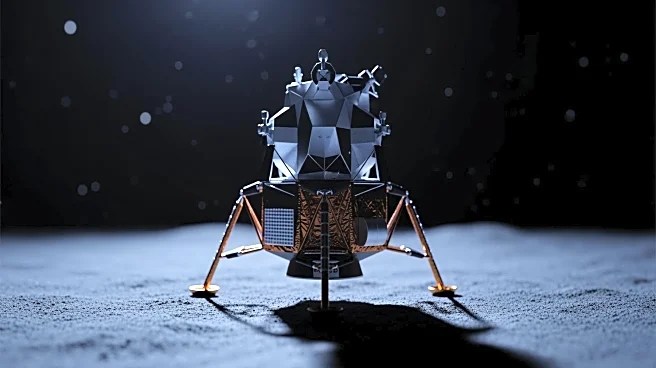
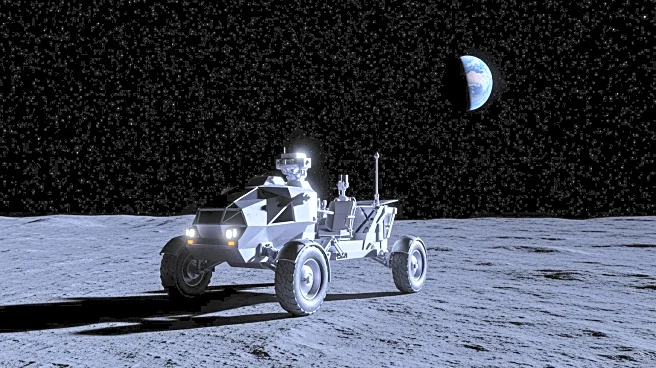
Cape Canaveral played a crucial role during the Apollo program, which aimed to land humans on the Moon. The site hosted the launch of the Saturn I and Saturn IB rockets, which were instrumental in testing the Apollo spacecraft. The tragic Apollo 1 fire in 1967 underscored the risks of space exploration, leading to significant safety improvements in subsequent missions.
The successful launch of Apollo 7 from Cape Canaveral in 1968 marked the first crewed mission of the Apollo program. This mission paved the way for the historic Apollo 11 Moon landing in 1969. Cape Canaveral continued to support NASA's endeavors, including the Skylab missions and the Apollo-Soyuz Test Project, which fostered international cooperation in space.
Modern Contributions and Legacy
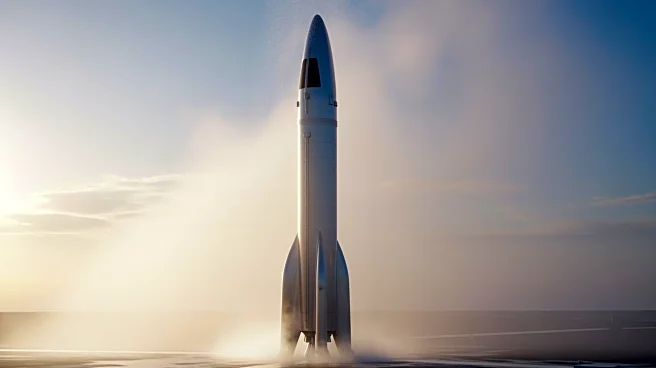
Today, Cape Canaveral remains a vital hub for space exploration. It supports a range of activities, from launching satellites to facilitating private space ventures. The site has adapted to the evolving landscape of space exploration, embracing new technologies and partnerships.
Cape Canaveral's legacy is one of innovation and achievement. It has witnessed the evolution of space technology and the realization of humanity's dreams of exploring the cosmos. As we look to the future, Cape Canaveral will undoubtedly continue to play a key role in shaping the next chapter of space exploration, inspiring generations to reach for the stars.