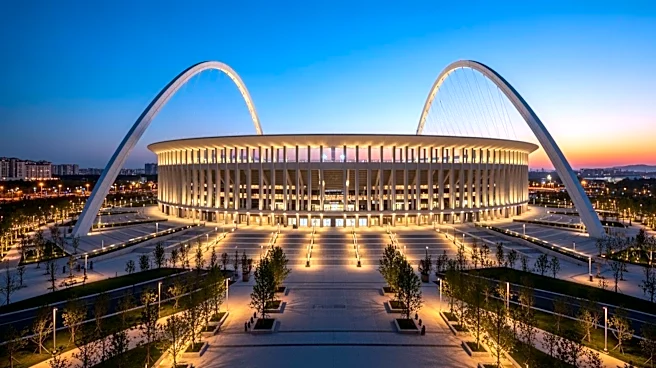

Stadio Olimpico in Rome is not just a sports venue; it is a cultural and social landmark that has played a significant role in the city's identity. From hosting major international events to being a home
for local football clubs, the stadium has influenced Rome's cultural landscape in various ways. This article explores the cultural and social impact of Stadio Olimpico, highlighting its importance beyond sports.
A Symbol of National Pride
Stadio Olimpico has been a symbol of national pride for Italy, particularly during major international events. The 1960 Summer Olympics, held at the stadium, were a defining moment for Italy, showcasing the country's ability to host a successful global event. The Olympics brought international attention to Rome and highlighted the city's rich history and culture.
The stadium's role in hosting the 1990 FIFA World Cup further reinforced its status as a national icon. The event was a celebration of Italian culture, with the stadium serving as a backdrop for memorable matches and moments. These events have contributed to a sense of national pride and unity, with Stadio Olimpico at the heart of these celebrations.
A Home for Local Football Culture
Beyond international events, Stadio Olimpico is deeply embedded in Rome's local football culture. It is the home stadium for S.S. Lazio and A.S. Roma, two of the city's most prominent football clubs. The stadium is a gathering place for fans, where they come together to support their teams and celebrate their shared passion for football.
The intense rivalry between Lazio and Roma adds to the stadium's cultural significance. The Rome Derby, played at Stadio Olimpico, is one of the most anticipated matches in Italian football, drawing large crowds and creating a vibrant atmosphere. The stadium's role in hosting these matches has made it a central part of Rome's football culture and a symbol of the city's sporting spirit.
A Venue for Cultural Events
In addition to sports, Stadio Olimpico serves as a venue for various cultural events, including concerts and performances. Its large capacity and central location make it an ideal setting for major events, attracting both local and international artists. These events contribute to the cultural vibrancy of Rome, offering residents and visitors a diverse range of entertainment options.
The stadium's ability to host a wide array of events highlights its versatility and importance as a cultural hub. Whether through sports or entertainment, Stadio Olimpico continues to play a vital role in shaping the cultural and social fabric of Rome.