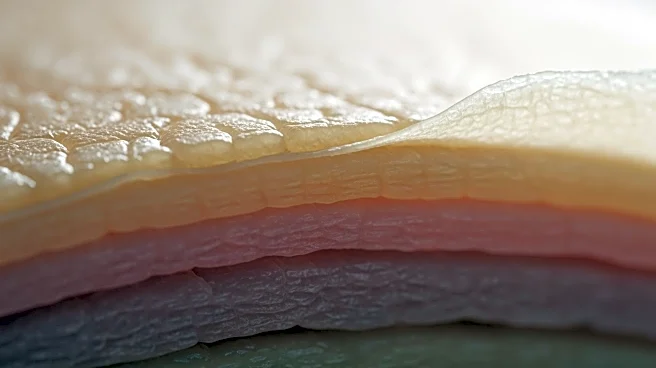




Desquamation is a critical process in the maintenance of healthy skin, involving the shedding of dead cells from the surface of the stratum corneum. This process ensures that the skin remains smooth and functional by balancing the proliferation of new cells with the removal of old ones. Understanding desquamation provides insight into how the skin renews itself and maintains its protective barrier.
The Journey of Keratinocytes
The process of desquamation begins with keratinocytes,
the primary cells of the epidermis. These cells originate in the stratum basale, the deepest layer of the epidermis, and migrate upwards through the epidermal layers. As they move towards the surface, keratinocytes undergo a transformation known as cornification, where they become corneocytes.
During cornification, the cell membrane of keratinocytes is replaced by a layer of ceramides, which are covalently linked to an envelope of structural proteins. This transformation is crucial for the formation of the cornified envelope, which surrounds cells in the stratum corneum and contributes to the skin's barrier function.
The Role of Corneodesmosomes
Corneodesmosomes, modified desmosomes, play a vital role in desquamation by facilitating cellular adhesion within the stratum corneum. These complexes link adjacent cells, maintaining the integrity of the epidermal layer. However, for desquamation to occur, corneodesmosomes must be degraded by proteases, allowing cells to be shed at the surface.
The balance between the formation of the cornified envelope and the degradation of corneodesmosomes is essential for skin homeostasis. A failure to regulate these processes can lead to skin disorders, highlighting the importance of desquamation in maintaining healthy skin.
Implications for Skin Health
Desquamation is not only crucial for the renewal of the skin but also for its protective functions. By shedding dead cells, the stratum corneum prevents the accumulation of debris and potential pathogens on the skin's surface. This process also allows for the removal of damaged cells, reducing the risk of infection and maintaining the skin's barrier integrity.
In summary, desquamation is a vital process in the maintenance of healthy skin. It ensures the continuous renewal of the stratum corneum, balancing cell proliferation with cell shedding. This process is essential for maintaining the skin's protective barrier and overall health, highlighting the dynamic nature of the epidermis.