

Meditation is a practice that requires both mental focus and physical stability. The postures used during meditation are not just about tradition; they play a crucial role in ensuring that the practitioner can maintain concentration without physical discomfort. This article explores the significance of comfort and stability in meditative postures and how they impact the overall meditation experience.
The Importance of a Stable Foundation
A stable foundation is essential for effective meditation.
The Yoga Sutras of Patanjali emphasize that a meditation seat should be both steady and comfortable. This principle is reflected in the various postures used across different traditions, such as the lotus position in Buddhism and Hinduism. These postures provide a stable base, allowing the practitioner to focus on their breath and inner experience without being distracted by physical discomfort.
Cross-legged positions like Padmasana and Ardha Padmasana are popular choices for their stability. However, they can be challenging for those not accustomed to sitting in such positions. Alternatives like kneeling postures or sitting on a chair with the spine upright offer similar stability while accommodating different levels of flexibility and comfort.
Comfort as a Key to Sustained Practice
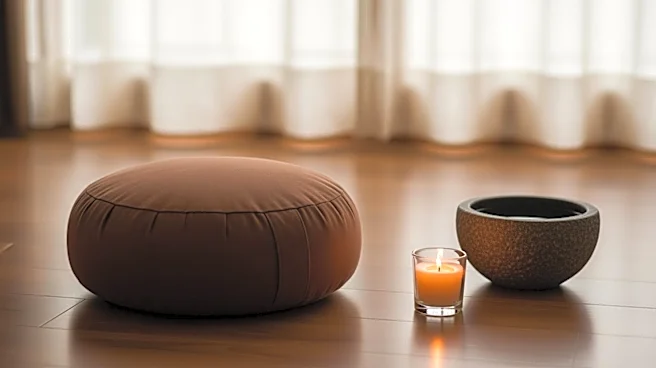
Comfort is equally important in meditation, as it allows practitioners to maintain their posture for extended periods without distraction. The use of meditation aids, such as zafu cushions and meditation benches, has become common to enhance comfort. These tools help align the spine and reduce strain on the body, making it easier to focus on meditation.
A study comparing the stability of different meditation seats found that zafu cushions provided the most stability, particularly in reducing side-to-side sway. However, comfort remains a personal preference, and beginners are often encouraged to start with chairs or benches before transitioning to traditional cushions.
Balancing Tradition and Modern Needs
While traditional postures have their roots in ancient practices, modern adaptations have made meditation more accessible to a wider audience. For those who find sitting postures uncomfortable, walking meditation offers an alternative that incorporates movement and mindfulness. Similarly, standing meditation, practiced in Chinese martial arts, provides a different approach that emphasizes balance and energy flow.
Ultimately, the choice of posture in meditation is a personal one, influenced by individual comfort and stability needs. By prioritizing these factors, practitioners can create a meditation practice that is both effective and sustainable, allowing them to reap the full benefits of meditation without physical discomfort.