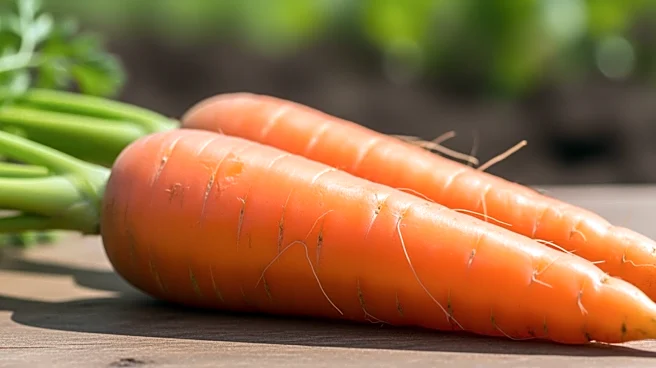





Carrots are not only a popular root vegetable but also a nutritional powerhouse. Known for their vibrant orange color, carrots are rich in beta-carotene, a precursor to vitamin A, and offer a range of health benefits. This article explores the nutritional profile of carrots and their versatile culinary uses.
Nutritional Benefits of Carrots
Carrots are primarily composed of water and carbohydrates, with negligible fat and protein content. They are an excellent source of vitamin A,
providing 93% of the daily value in a 100-gram serving. This is due to their high beta-carotene content, which the body converts into vitamin A, essential for maintaining healthy vision, skin, and immune function.
In addition to vitamin A, carrots offer moderate amounts of vitamin K and potassium. These nutrients contribute to bone health and proper muscle function. Carrots also contain various antioxidants, including polyacetylenes like falcarinol and falcarindiol, which have been shown to exhibit cytotoxic activities and antifungal properties.
Culinary Uses of Carrots
Carrots are incredibly versatile in the kitchen, used in both raw and cooked forms. Raw carrots can be eaten as a snack, added to salads, or juiced for a refreshing drink. Cooking carrots enhances the bioavailability of beta-carotene, making them even more nutritious. They can be boiled, steamed, roasted, or fried, and are a staple ingredient in soups and stews.
Carrots are also used in various traditional dishes around the world. In India, carrots are grated and cooked in milk to make the dessert gajar ka halwa. In the United States, carrot cake is a popular treat, showcasing the vegetable's natural sweetness. Carrot juice is marketed as a health drink, often blended with other fruit and vegetable juices.
Carrots in Modern Cuisine
The introduction of baby carrots, which are peeled and cut into uniform cylinders, has made carrots a convenient snack food. These mini-carrots are sweeter and more tender than full-grown carrots, appealing to consumers looking for healthy, ready-to-eat options.
Carrots' sweetness allows them to be used in fruit-like roles, such as in jams and preserves. In the European Union, carrots are considered a fruit for regulatory purposes, allowing the production of carrot jam. This unique classification highlights the versatility of carrots in culinary applications.
Overall, carrots are a staple in diets worldwide, offering both nutritional benefits and culinary versatility. Their ability to be used in a variety of dishes makes them an essential ingredient in kitchens around the globe.