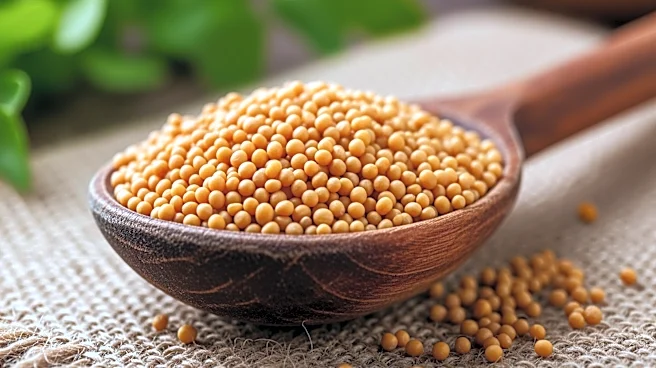

Mustard seeds, small and round, are a staple in kitchens around the world. These seeds, derived from various mustard plants, are celebrated for their versatility and distinctive flavor. From South Asia to North America, mustard seeds have found their way into a myriad of dishes, each region adding its unique twist to this humble spice. This article delves into the culinary uses of mustard seeds, highlighting their role in different cuisines and the methods
of preparation that bring out their best.
Mustard Seeds in South Asian Cuisine
In South Asia, mustard seeds are a fundamental spice, often used to enhance the flavor of various dishes. The seeds are typically fried until they pop, releasing a nutty aroma that forms the base of many curries and vegetable dishes. This technique not only intensifies the flavor but also adds a subtle crunch to the dish. Mustard oil, extracted from the seeds, is another staple in South Asian cooking. Known as shorsher tel, it is the predominant cooking medium, especially in Bengali cuisine, where it is used to prepare spicy fish dishes like jhaal and paturi.
Pickles are another popular use of mustard seeds in South Asia. A variety of pickles, primarily consisting of mangoes, red chili powder, and powdered mustard seed preserved in mustard oil, are a common sight in households. These pickles are cherished for their tangy and spicy flavor, which complements the rich and diverse palate of South Asian cuisine.
Mustard Seeds in North American Cuisine
In North America, mustard seeds are primarily used to make condiments. Yellow mustard, a favorite in the United States, is often used as a condiment in sandwiches and other dishes. The preparation involves grinding the seeds into a powder and mixing them with other ingredients to create the familiar yellow mustard. This condiment is a staple at barbecues and sporting events, where it is generously slathered on hot dogs and burgers.
The process of making mustard involves roughly 1,000 seeds to prepare 8 ounces of mustard, showcasing the seed's potency and the meticulous effort required to produce this beloved condiment. Mustard seeds also find their way into spice blends, adding depth and heat to various recipes.
Other Culinary Uses of Mustard Seeds
Beyond condiments and pickles, mustard seeds serve as a natural soil amendment for managing soil-borne diseases in other crops. This use highlights the seed's versatility beyond the kitchen. Additionally, mustard seeds are referenced in religious texts as a metaphor for small beginnings, symbolizing their cultural significance.
Whether used as a spice, oil, or condiment, mustard seeds continue to be a vital ingredient in kitchens worldwide. Their ability to enhance flavors and add complexity to dishes ensures their place in culinary traditions across the globe.