



Paschimottanasana, known as the Seated Forward Bend or Intense Dorsal Stretch, is a fundamental pose in hatha yoga and modern yoga practice. This asana is not only significant for its physical benefits but also for its rich historical and linguistic roots. Understanding the origins and etymology of Paschimottanasana provides insight into its importance in yoga traditions.
Historical Background
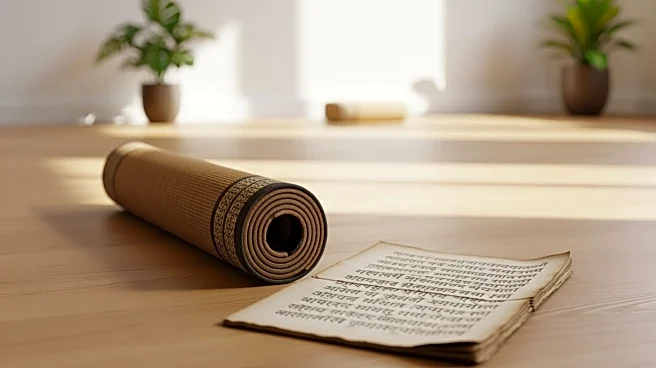
Paschimottanasana is described in the 15th-century Hatha Yoga Pradipika, a classical
text that outlines various yoga practices. The pose is mentioned in chapter 1, verses 28-29, highlighting its longstanding presence in yoga history. The Hatha Yoga Pradipika is one of the earliest texts to systematically describe yoga postures, and Paschimottanasana's inclusion signifies its importance in the practice of hatha yoga.
The pose is also illustrated in an 1830 manuscript of the Jogapradipika, further indicating its historical significance. These early references demonstrate that Paschimottanasana has been a part of yoga traditions for centuries, serving as a bridge between ancient practices and modern interpretations.
Linguistic Origins
The name Paschimottanasana is derived from three Sanskrit words: Paschima, Uttana, and Asana. Paschima translates to "West" or "the back of the body," referring to the central energy channel, the sushumna nadi, which runs along the spine. Uttana means "intense stretch" or "extended," describing the physical action of the pose. Asana simply means "posture" or "seat."
This combination of words reflects both the physical and energetic aspects of the pose. The intense stretch of the spine and hamstrings is complemented by the focus on the sushumna nadi, emphasizing the pose's role in balancing physical and subtle energies.
Cultural Significance
Paschimottanasana's cultural significance extends beyond its physical benefits. The pose is a staple in yoga practice, often used to promote flexibility, calm the mind, and stimulate the digestive system. Its historical and linguistic roots add depth to its practice, connecting modern yogis to ancient traditions.
The pose's name and description in classical texts highlight the integration of physical and spiritual elements in yoga. Practicing Paschimottanasana allows individuals to engage with a pose that has been revered for its ability to harmonize the body and mind, making it a timeless component of yoga.
In conclusion, Paschimottanasana is more than just a physical exercise; it is a pose steeped in history and linguistic richness. Its origins and etymology provide a window into the cultural and spiritual dimensions of yoga, offering practitioners a deeper understanding of this essential asana.